Basic Information
Scientific classification
- Chinese name: Australian funnel-web spider
- Scientific name: Atracidae (representative genera: Atrax, Hadronyche, Illawarra)
- Classification: Arthropoda
- Family and genus: Atracidae Atrax Hadronyche
Vital signs data
- Body length: 25–50 mm for adults (excluding leg span)
- Weight: Small to medium-sized arthropods, varying with individual differences.
- Lifespan: Female spiders live for several years to over ten years; male spiders live for a shorter period.
Significant features
Burrowing; funnel-shaped entrance and radiating filaments; chelicerae pointing downwards in parallel; male spiders move to find mates; medically important (possibly due to the presence of antivenom).
Distribution and Habitat
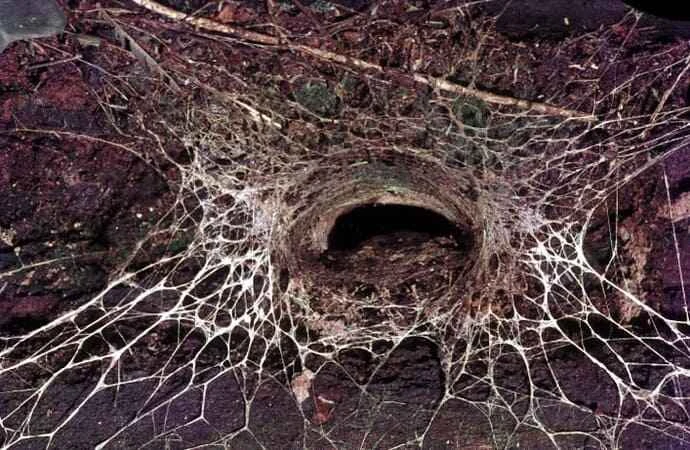
Moist woodlands/slopes/gardens and rock crevices in eastern Australia; cave entrances have funnel-shaped meshes and radial wires.
Appearance
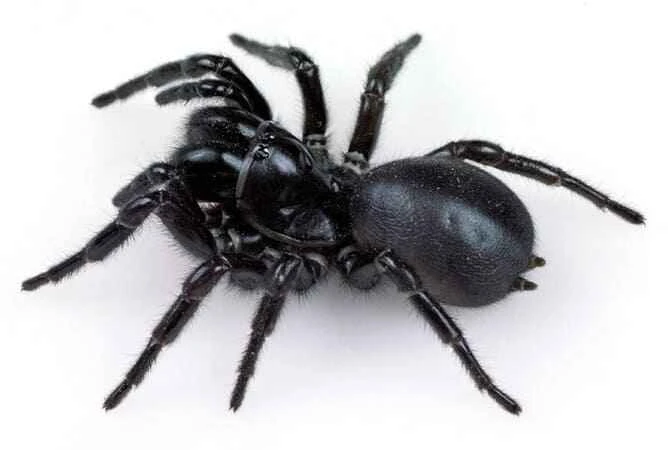
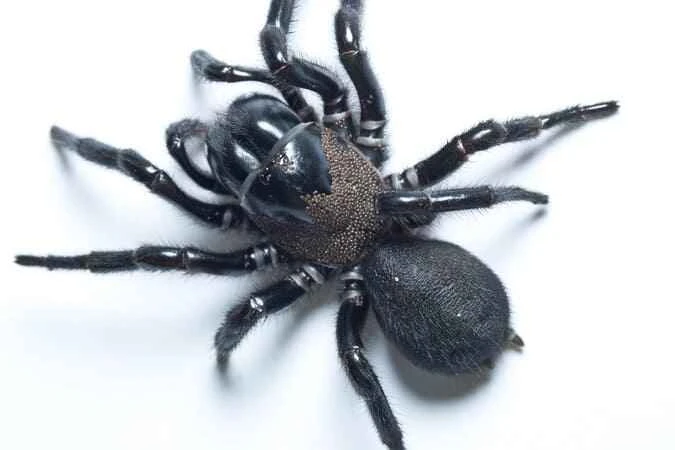
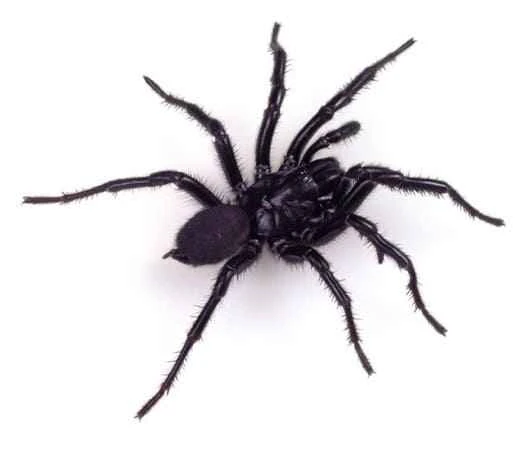
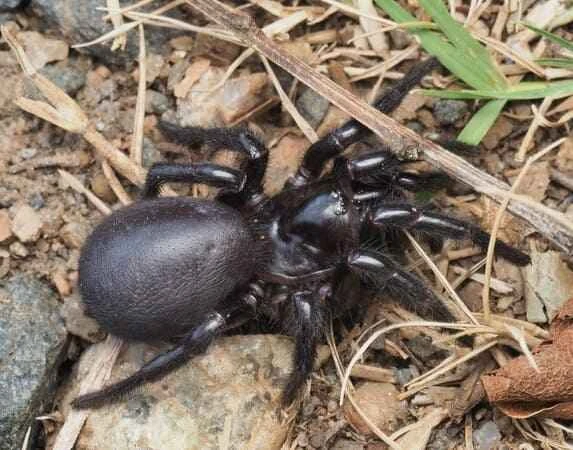
The cephalothorax is dark brown and glossy, with strong chelicerae; the abdomen is covered with downy hairs; and the posterior spinnerets are noticeably elongated.
Detailed introduction
Australian funnel-web spiders primarily refer to species in the family Atracidae , including the Sydney funnel-web spider (Atrax robustus) and several members of the genus Hadronyche . These are large, burrowing ground spiders , renowned for their potent venom and importance in human medicine.
Ecology and Biology
Lifestyle: Mostly burrowing/crevice dwellers , using silk as a funnel-shaped entrance and radial sensory silk to ambush small arthropods passing by.
Activity rhythm: Mostly nocturnal; mature male spiders will leave the nest to search for mates during the humid and warm season, during which time they are more likely to come into contact with humans.
Toxicity and Medicine: Both males and females are venomous; however, mature male spiders are more venomous and have a higher probability of contact; since 1981, antivenom has been widely used in Australia, significantly reducing mortality.
Morphology and Recognition
Body shape: sturdy and robust, with a glossy dark brown head, thorax and back plates, and well-developed chelicerae; the abdomen is relatively soft and covered with fine hairs.
Silk spinning equipment: The rear spinnerets are significantly elongated (the end section is visible), which is one of the key points for identification.
Mouthparts: Chelicerae pointing downwards in parallel (mygalomorph type), facilitating downward biting.
Body size and lifespan
Body length: 25–50 mm for adults (excluding leg span); some females may be larger.
Lifespan: Female spiders live for several years to more than ten years ; male spiders have a shorter adult lifespan.
Distribution and Habitat
It is mainly distributed in eastern Australia (New South Wales, southeast Queensland, Victoria and Australian Capital Territory, etc.), inhabiting damp woodlands, vegetated slopes, garden stone piles and under dead trees/in rock crevices; funnel-shaped openings and surface radiating filaments are commonly found at the entrances of its burrows.
Safety and Response
Risk scenario: After rain/on a warm, humid night, male spiders may enter a room or fall into a swimming pool while roaming around.
Avoid contact: Wear gloves when working outdoors; if an individual appears indoors, do not touch with bare hands , and ask a professional to handle it.
Acute treatment tips: If a bite is suspected, pressure bandage (PIB) may be considered under local guidelines, and medical attention should be sought as soon as possible ; specific local medical advice shall prevail.
IUCN: This entry is a general overview of taxa , and many species were not evaluated independently; this site's general overview entry is marked as not evaluated (NE) .
Frequently Asked Questions
Q1: Is it the same species as the "house funnel-web spider/grass funnel-web spider"? No. Many spiders commonly referred to as "funnel-web spiders" belong to different families (such as Agelenidae).
It has little medical significance for humans; Atracidae is the famous and important medical group in Australia.
Q2: Why are male spiders more dangerous? Mature male spiders are more likely to come into contact with humans during their roaming period , and their venom is more potent against humans in some species.
Q3: How to prevent it at home? Clear piles of stones and dead wood from the yard, seal door gaps and drains, and close doors and screens at night; install escape ramps/floaters around the swimming pool to prevent drowning individuals from being accidentally touched.
Q4: Is a bite always fatal? With prompt medical attention and antivenom support, the chances of a severe outcome have been greatly reduced; do not delay seeking medical help.