Basic Information
Scientific classification
- Chinese name: Australian tarantula
- Scientific name: Theraphosidae (representative genera: Selenocosmia, Phlogius, Selenotholus, Selenotypus)
- Classification: Arthropoda
- Family: Theraphosidae Selenocosmia Phlogius
Vital signs data
- Body length: 5–8 cm; leg span: 16–22 cm
- Weight: Large terrestrial spider; adults weigh several tens of grams (depending on the individual).
- Lifespan: Females 10–20+ years; Males 5–8 years (shorter lifespan after maturity).
Significant features
They live in burrows and are nocturnal; they use whistling/fricative sounds for defense; they have a wide diet; male spiders wander around to find mates; female spiders guard their eggs inside the burrow.
Distribution and Habitat
Northern and inland Australia consist of tropical savanna, arid woodlands, and semi-deserts; the loose, stable soil facilitates burrowing.
Appearance
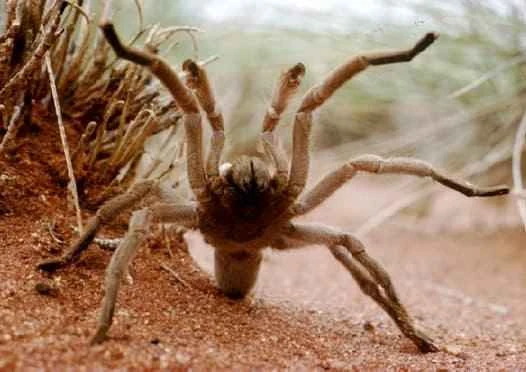
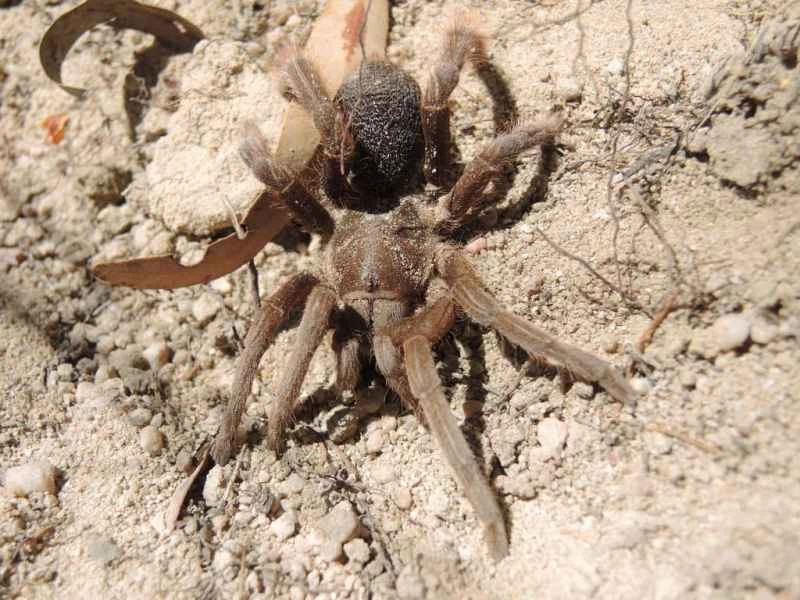
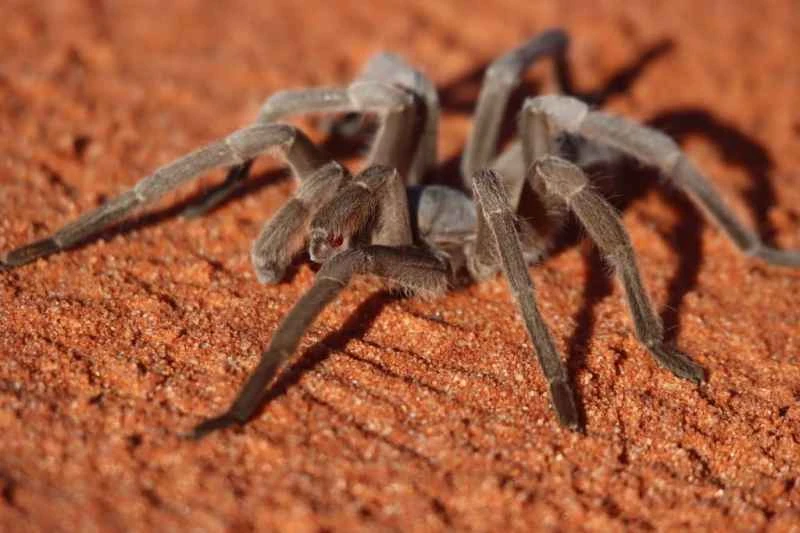
Dark brown to blackish brown; femurs with light rings or metallic sheen; abdomen densely hairy; male tibias with mating hooks.
Detailed introduction
Australian tarantulas , commonly known locally as "whistling spiders," belong to the family Theraphosidae . Representative genera include *Selenocosmia *, *Phlogius *, *Selenotholus* , and *Selenotypus* . They are mostly large , burrowing, terrestrial spiders that produce sounds by rubbing their pedipalps and chelicerae together ( fricatives/calls ), and are widely known in northern and inland Australia.
Ecology and Biology
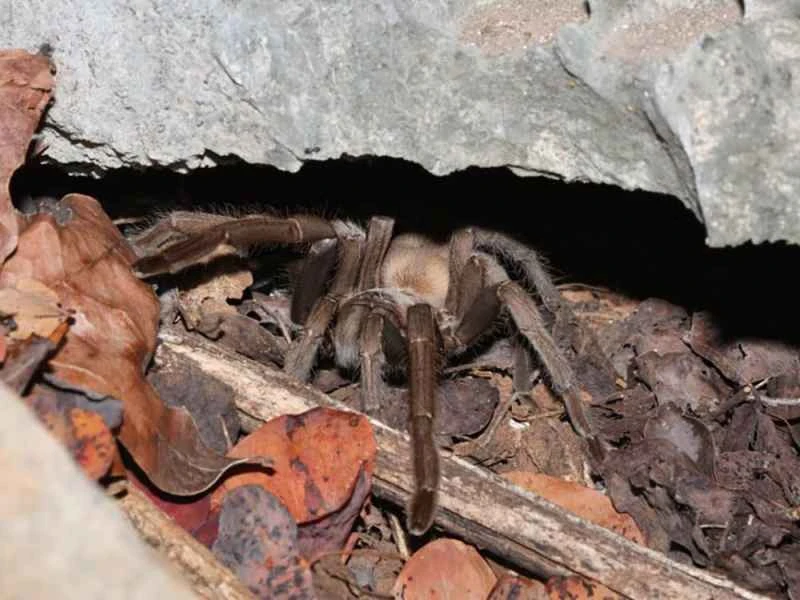
Activity pattern: mostly nocturnal ; during the day, it lies in ambush in vertical or sloping earthen burrows , where silk linings and radial warning wires are commonly seen at the entrances.
Diet: An extensive predator that feeds on insects, other spiders, small lizards/frogs, and small arthropods.
Defensive behavior: Raise body posture, bare teeth (chelicerae) and make a whistling sound ; if necessary, launch a rapid attack and bite.
Reproduction: After reaching maturity, male spiders travel to find mates; female spiders lay egg sacs and protect the eggs in the burrow, while the young spiders disperse and settle around the burrow.
Morphology and Recognition
Size: Body length is typically 5–8 cm ; foot span can reach 16–22 cm .
Body color: mostly dark brown to chocolate to blackish brown, with light-colored rings or metallic sheen on the femurs; the abdomen is covered with dense hair.
Mouthparts and legs: Chelicerae thrust downwards from the front ; mating hooks are commonly found on the tibiae (male); legs have jaw spines and adhesive hairs.
Distribution and Habitat
It is mainly distributed in northern and inland Australia (Queensland, Northern Territory, northern Western Australia, etc.), from tropical savanna to arid woodland and semi-desert areas; it prefers loose and stable soil to facilitate burrowing , and is also found in pastures, embankments and house slopes.
Conservation and Human Interaction
Medical significance: In humans , it mainly causes severe pain and localized symptoms ; however, it may pose a high risk of toxicity to dogs (medical attention should be sought as soon as possible).
Trade and Collection: Some species are involved in the trade of pet animals; regulating the source of species is encouraged and excessive collection in the wild should be avoided.
IUCN: This entry is a general overview of taxa ; many species were not independently evaluated, and this site marks the general overview entry as not evaluated (NE) .
Frequently Asked Questions
Q1: Does it "spray hairs"? Unlike the American tarantula, the Australian tarantula does not have allantoic hairs ; it mainly defends itself with threatening postures/calls and bites .
Q2: Is it fatal to humans? Usually not fatal , but the bite will cause severe pain , swelling, sweating, nausea, etc.; you should remain calm, immobilize the limb , and seek medical attention as soon as possible.
Q3: How to prevent this at home? Reduce fallen leaves/piles of stones in the yard, seal cracks and gaps in doors, and use screens at night; do not dig into openings.
Q4: Can they be artificially bred? This must comply with local regulations; select artificially bred individuals and provide a deep substrate burrowing environment with stable temperature and humidity.