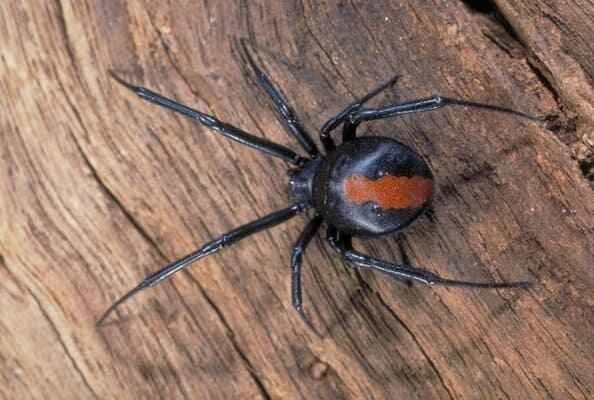
Basic Information
Scientific classification
- Chinese name: Redback Spider
- Scientific name: Latrodectus hasselti
- Classification: Arthropoda
- Family: Latrodectus
Vital signs data
- Body length: Female spiders are about 10 mm long with a leg span of up to 3 cm; male spiders are only about 3–4 mm long.
- Weight: Relatively light, mostly in the tens to hundreds of milligrams range, with females being significantly heavier than males.
- Lifespan: Female spiders live approximately 2–3 years, while male spiders typically live less than 1 year.
Significant features
The female spider has bright red stripes on its abdomen and back; its venom is a potent neurotoxin; it often lives near human settlements.
Distribution and Habitat
Native to Australia, it inhabits dry, secluded corners where it weaves webs. It is commonly found under eaves, in garages, sheds, under rocks and planks, and in gardens, and has spread to some other countries.
Appearance
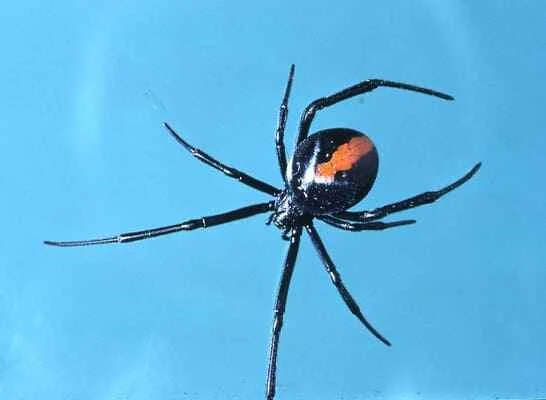
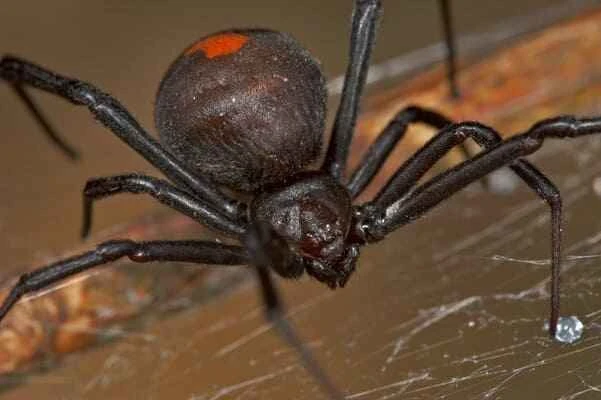
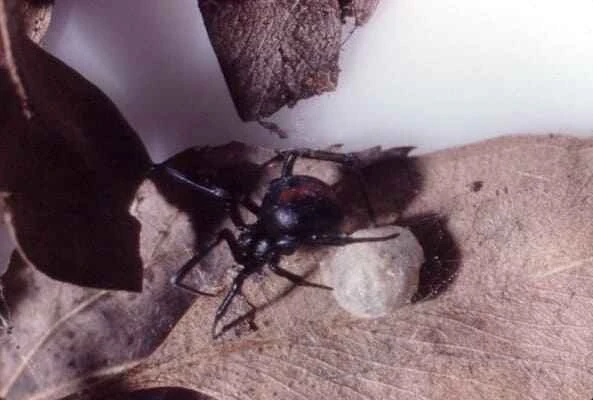
The female spider has a black or dark brown round abdomen with red or orange-red bands on its back; the male spider is smaller, lighter in color, and the red spots are less obvious.
Detailed introduction
The redback spider, scientifically known as *Latrodectus hasselti *, is one of Australia's most famous venomous spiders and belongs to the genus *Latrodectus* in the family Theridiidae . The female spider is characterized by a striking red or orange-red stripe along its dorsal surface, hence its name "redback widow spider."
Basic Information
Scientific name: Latrodectus hasselti
English name: Redback Spider
Family: Theridiidae; Genus: Latrodectus
Size: The female spider is about 10 mm long and has a leg span of up to 3 cm; the male spider is only about 3–4 mm long and is much smaller than the female.
Lifespan: Female spiders can live for 2–3 years under suitable conditions, while male spiders generally live for less than 1 year.
Appearance features
Female redback spiders are mostly black or dark brown , with a bright red or orange-red band or patch on their dorsal abdomen, and may also have red or white spots on the ventral surface. Males are smaller, often lighter in color, and their abdominal red spots are less noticeable than those of females. They have a rounded body shape and relatively slender legs.
Distribution and Habitat
Redback spiders are native to Australia and are distributed across most of the continent. They have since been introduced to Japan, New Zealand, parts of Southeast Asia, and other countries due to human activity. They prefer dry, secluded, and sheltered corners and are commonly found in:
Under the eaves, in the garage, in the shed, and in the storage room;
Beneath the pile of waste, stones, and planks;
Bottom of flower pots, corners of yards, outdoor seating, and gaps in children's playground equipment.
Web weaving and behavioral habits
Redback spiders weave irregular, three-dimensional tangled webs , unlike the regular circular webs of orb-weaver spiders. They often pull out a tangled ball of silk in hidden corners and hang down sticky "ropes" that trap insects, small lizards, or other small animals as they pass by. These animals are then dragged into the web, bitten, wrapped in silk, and fed.
During the day, they mostly hide in concealed spots within their webs, becoming more active at night. Female spiders typically occupy the same web for an extended period, while male spiders, after reaching sexual maturity, will leave their own webs to find females. After mating, they often die shortly afterward.
Toxicity and Symptoms of Poisoning
The venom of the redback spider is a neurotoxin , which has a strong effect on humans and many vertebrates. Common symptoms after being bitten by a female spider include:
The bite causes intense burning pain, which can radiate to nearby limbs.
Increased sweating, nausea, vomiting, abdominal pain;
Systemic symptoms include muscle pain or cramps, headache, and rapid heart rate.
Severe poisoning is known as " widow spider poisoning syndrome ." While severe cases and deaths are extremely rare after the use of antivenom for redback spiders/widow spiders, it can still pose a serious risk to children, the elderly, or those with underlying medical conditions.
Contact with humans and protection
Redback spiders inhabit environments that highly overlap with human habitats, making them one of the most common causes of spider bites in Australia. Preventive measures include:
Clear away clutter in the yard to reduce potential hiding spots;
Inspect planks, flower pots, shoes, and outdoor furniture before moving them;
Wear gloves when gardening in areas where redback spiders are known to be prevalent.
If you suspect you have been bitten by a redback spider, seek medical attention promptly so that a professional can assess whether you need antivenom treatment.
References
Simon-Brunet, S. 1994. *Silk Webs: A Natural History of Australian Spiders*. Reed Books.
Preston-Mafham, R. 1991. The Book of Spiders and Scorpions. Quarto Publishing.
Pyers, G. 1999. Australian Animals: Spiders. Heinemann Library.
Forster, L. 1995. "Behavioral ecology of the Australian redback spider (Latrodectus hasselti (Thorell)) (Arachnidae): A review." Western Australian Museum Records Supplement, No. 52: 13-24.
York Main, B. 1976. *The Spider*. Australian Naturalist Library, Collins Publishing, Sydney.
Garb, JE, A. Gonzalez, and RG Gillespie (2004). *Latrodectus* (Arachnidae): Phylogeny, biogeography, and invasion history. Molecular phylogeny and evolution. 31, 1127–1142.
Frequently Asked Questions
Q1: How dangerous are redback spiders to humans?
It is one of Australia's most iconic venomous spiders, and its bite can cause significant systemic symptoms.
However, with the widespread use of antitoxin serum, fatal cases are extremely rare, but they still need to be taken seriously.
Q2: Is it only the female spider that is in danger?
The main threat to humans comes from the larger female spiders, while the male spiders are much smaller and have a limited amount of venom.
Actual cases of bites causing injury to humans are rare.
Q3: What should I do if I get bitten by a redback spider?
Stay calm, minimize movement of the injured limb, and get to the hospital as soon as possible.
If it is safe to do so, you can try to collect or photograph the spider for a doctor to identify, but do not risk being bitten again.
Q4: Do redback spiders only live in Australia?
It originated in Australia, but has spread to some other countries and regions through goods and human activities.
Records also exist in some port cities and industrial areas.