Basic Information
Scientific classification
- Chinese name: Japanese Anglerfish / Yellow Anglerfish
- Scientific name: Lophius litulon
- Classification: Small fish
- Genus and family: Lophiidae Lophius
Vital signs data
- Body length: Commonly 50–80 cm; Maximum ~100–120 cm
- Weight: Large individuals can reach several kilograms
- Lifespan: Approximately 10–15 years
Significant features
Ambush predation; fishing rod + bait trapping; extremely large mouth for instantaneous suction; gelatinous egg pack; pectoral fin support/"walking".
Distribution and Habitat
Northwest Pacific shelf/slope sandy-muddy bottom; Japan, Korean Peninsula, coastal China, Taiwan; 20–300 m.
Appearance
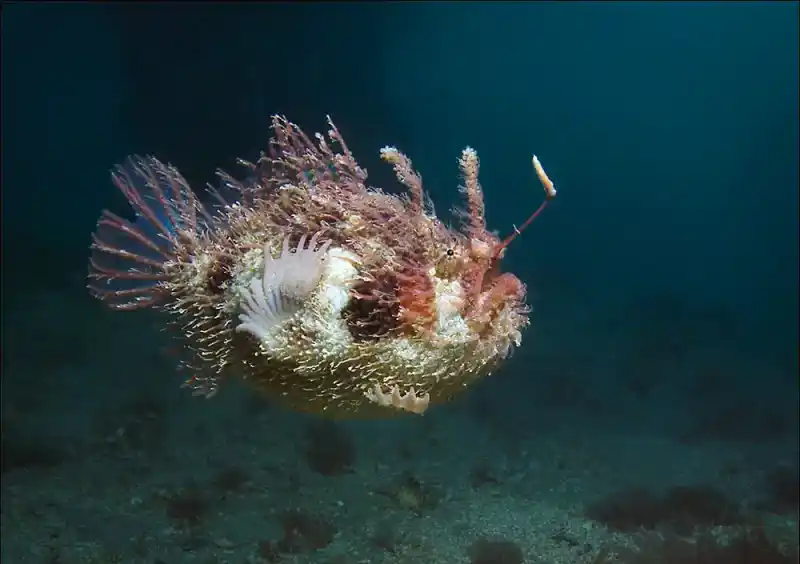
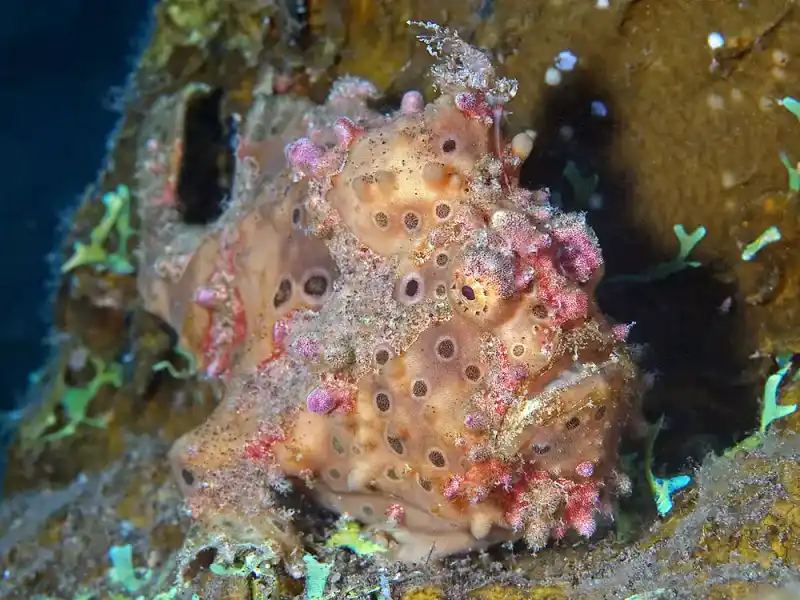
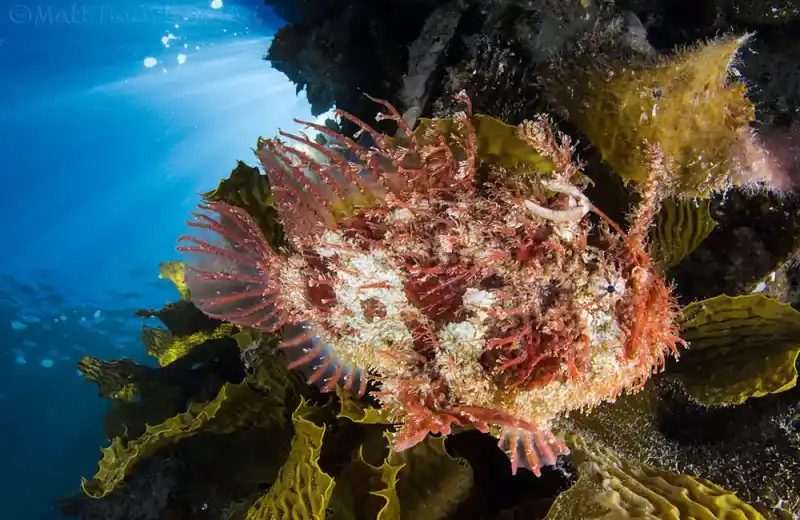
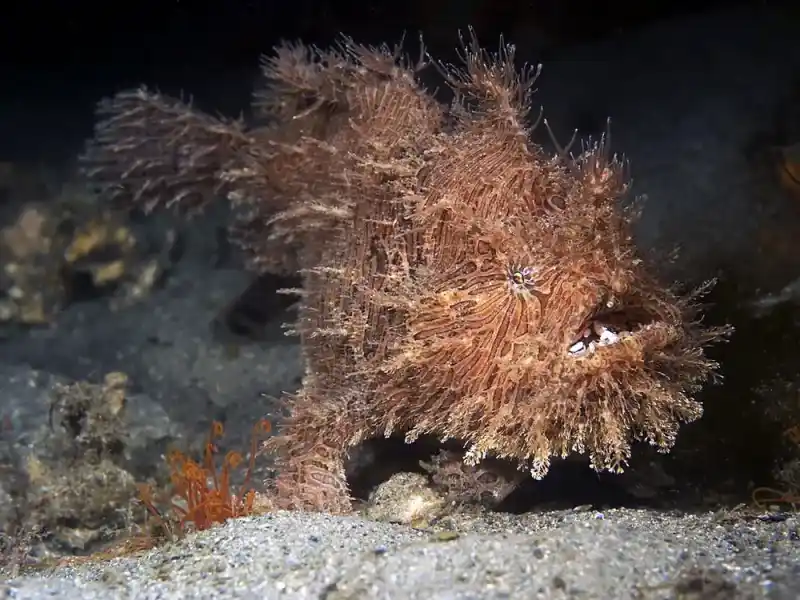
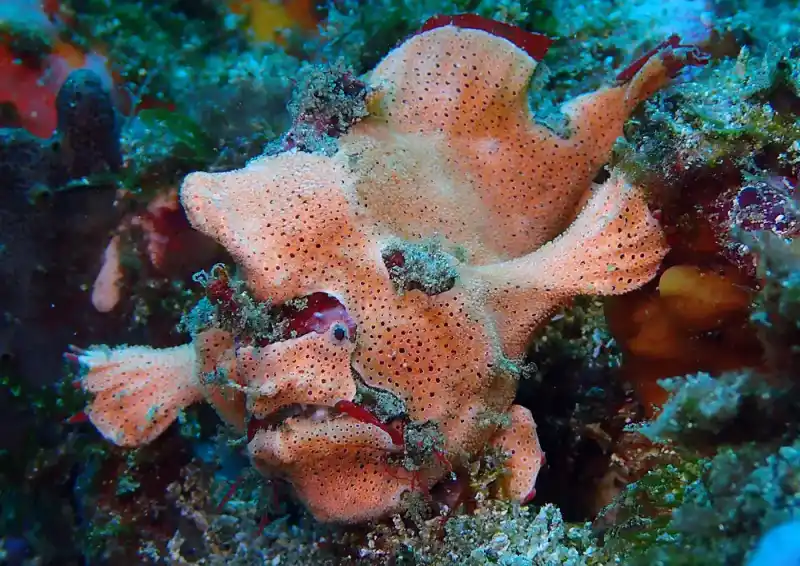
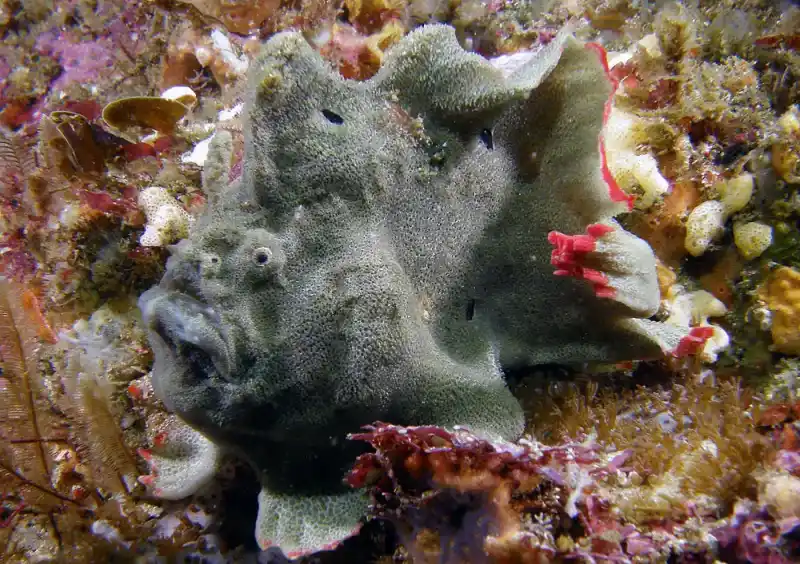
The head and body are flat and broad, with yellowish-brown camouflage; the lower jaw has inward-curving sharp teeth; the pectoral fins are robust, and the skin flaps are well-developed.
Detailed introduction
The Japanese anglerfish ( Lophius litulon , also known as the yellow anglerfish ) belongs to the family Lophiidae and is a common large benthic predatory fish in the Northwest Pacific . Its first dorsal spine is specialized as both a "fishing rod" (illicium) and a "bait" (esca) . When lying prone on the seabed, it uses the bait to lure small fish/crustaceans closer , then swallows them with a sudden, negative pressure opening of its mouth .
Ecology and Biology
Diet: Primarily small to medium-sized bottom-dwelling fish , squid/octopus , and crustaceans .
Behavior: Typical ambush predator ; mostly lies in wait on sandy or muddy bottoms, capable of short-distance leaps and pounces.
Reproduction: The female fish releases a gelatinous egg band/egg curtain that floats on the water; the larvae are planktonic .
Morphology and Recognition
The head and body are broad and flat , with a very large mouth that can be everted and expanded ; the lower jaw has inwardly curved canines .
The pectoral fins are robust and serve as a support/walking tool; the body surface has well-developed skin flaps for camouflage.
The first dorsal spine is part of the fishing rod-bait structure, and its shape is a key identification point.
Body size and lifespan
Body length: Commonly 50–80 cm , with a maximum of ~100–120 cm .
Weight: Large individuals can weigh several kilograms .
Lifespan: Approximately 10–15 years .
Distribution and Habitat
Distributed in the Northwest Pacific Ocean : Japan, the Korean Peninsula, the coastal waters of China and Taiwan, etc.; mostly found on the sandy and muddy bottoms of the continental shelf and slope , at a depth of 20–300 m .
Conservation and Human Interaction
Fisheries: It is an important economic fish ; the liver ( ankimo ) and flesh of the fish have edible value.
Conservation: It is recommended to control the intensity of bottom trawling and mixed capture of juvenile fish, and protect the spawning period and key habitats.
IUCN: Least Concern (LC) (subject to the latest authoritative assessment).
Frequently Asked Questions
Q1: How to distinguish it from other anglerfish? L. litulon has a yellowish-brown head and body, thick pectoral fins, and distinct lure-like features; it is necessary to combine distribution and morphology for judgment.
Q2: Does it move around to hunt? It mainly ambush , but can leap and pounce from short distances; its activity increases slightly at night.
Q3: What is an egg band? The female anglerfish releases a large, gelatinous egg band that floats in the sea, which is a typical reproductive characteristic of anglerfish.
Q4: Precautions for consumption? Follow local fisheries and hygiene regulations; be aware of parasites when eating raw food, and internal organs must be professionally processed.