Basic Information
Scientific classification
- Chinese name: Kiwi (general description)
- Scientific name: Apteryx (genus)
- Classification: Climbing birds
- Family and Genus: Kiwi (family Kiwi)
Vital signs data
- Body length: 35–65 cm (varies by species)
- Weight: 1.2–3.5 kg (females are often larger)
- Lifespan: 20–30 years or more (in the wild)
Significant features
Endemic to New Zealand; nocturnal and terrestrial; beak with nostrils at the tip; large eggs; mostly monogamous.
Distribution and Habitat
New Zealand features a diverse landscape of forests/shrublands and agroforestry, with the specific extent varying depending on the species.
Appearance
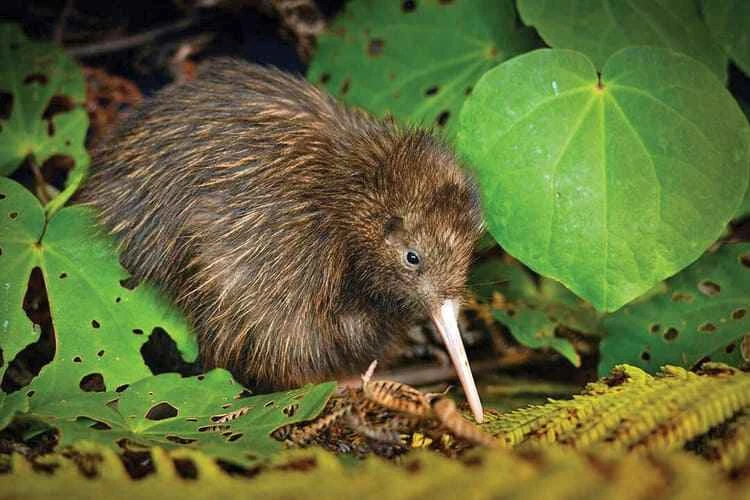
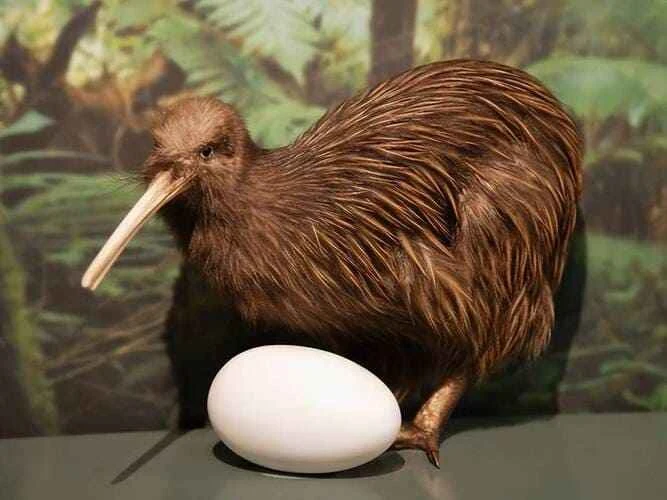
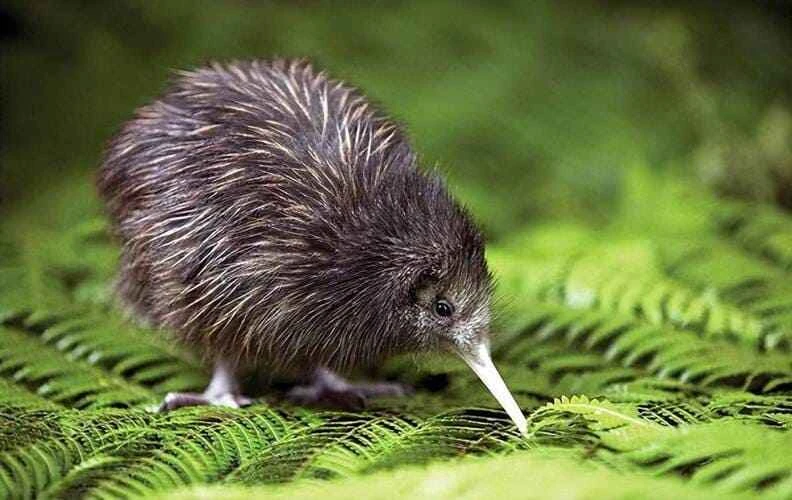
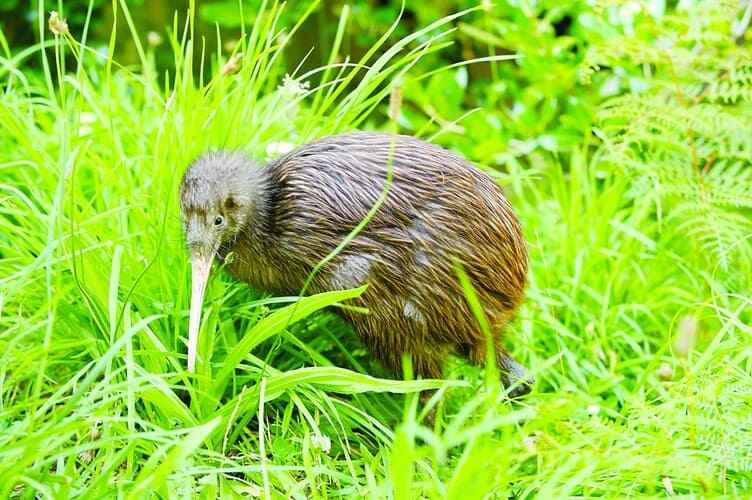
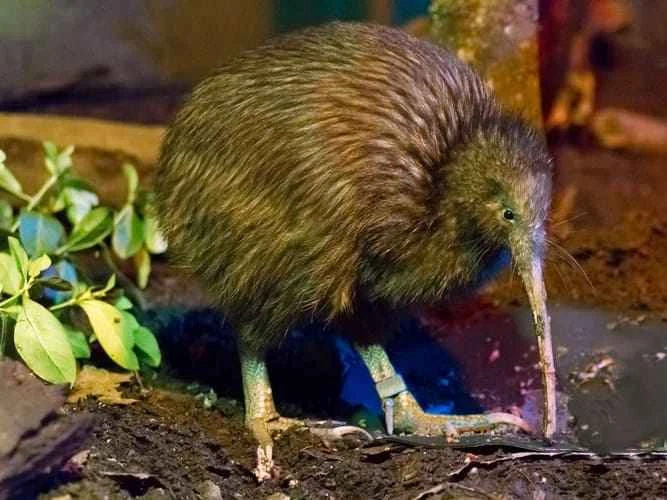
Brown or mottled like hair; very short wings and no tail feathers; long beak with nostrils at the tip; strong legs.
Detailed introduction
Kiwis (genus Apteryx ) are nocturnal ground birds endemic to New Zealand, known for their vestigial wings , pointed beaks , and keen sense of smell. There are five extant species, varying in size and distribution, but all share a high sensitivity to invasive mammalian predators.
Ecology and Behavior
They are nocturnal, feeding on earthworms, beetle larvae, mollusks, and fruits; they are mostly found in pairs or alone and nest in tree cavities or caves, with the male often undertaking most of the incubation.
Morphology and Recognition
Its feathers are hair-like and brownish-red; it has nostrils at the tip of its beak ; its wings are very short and it has no tail feathers; its legs are strong and it is good at running.
Reproduction and lifespan
The eggs are relatively large (accounting for 15–20% of the female's body weight), and the incubation period is long; the chicks are precocial. Their lifespan in the wild is typically 20–30+ years.
Threats and Protection
Invasive predators: Weasel-badgers, cats, dogs, and opossums.
Habitat fragmentation and road deaths.
Key measures include predator control, artificial incubation and release (Operation Nest Egg), and canine management in enclosures and communities. This page provides a general overview at the genus level ; the specific IUCN classification is detailed on the species page.
Frequently Asked Questions
Q1: Can it fly? No, its wings are highly degenerate.
Q2: Why are there nostrils at the tip of the beak? It helps birds detect prey in the soil with their sense of smell, a rare feature.
Q3: Conservation status? The genus level has not been assessed. Most specific species are classified as vulnerable or endangered. Please see the species entry for details.
Q4: How can we help? Support predator control and release, forest restoration, and leash dogs in kiwi distribution areas.