Basic Information
Scientific classification
- Chinese name: Grevy's Zebra
- Scientific name: Equus grevyi
- Classification: Hoof Order
- Family and genus: Equidae (Equus)
Vital signs data
- Body length: Head and body length approximately 240–300 cm; shoulder height 135–160 cm
- Weight: 350–450 kg (males weigh more)
- Lifespan: 12–18 years in the wild; can live longer in captivity.
Significant features
The largest horse species; males are territorial; drought-resistant and capable of long-distance migration; white belly with very narrow stripes.
Distribution and Habitat
The arid steppe-shrub-savanna zone in northern Kenya and southern Ethiopia relies on stable water sources.
Appearance
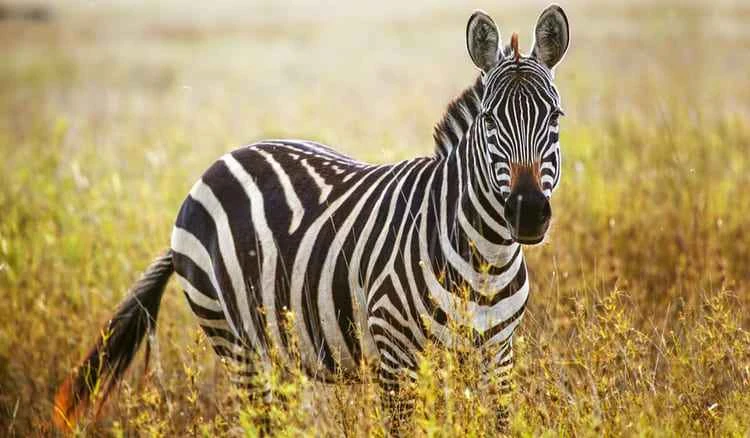
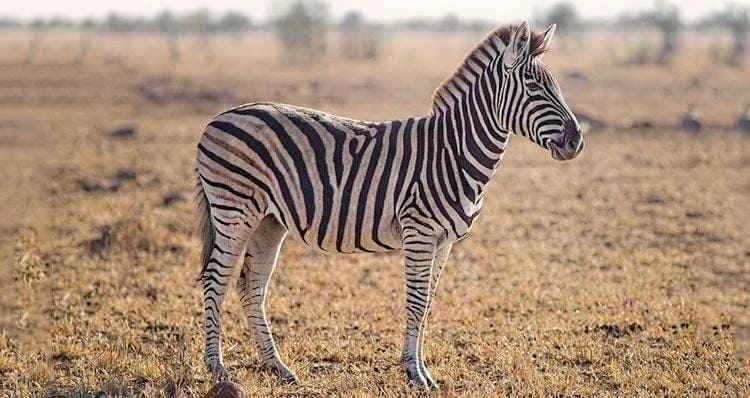
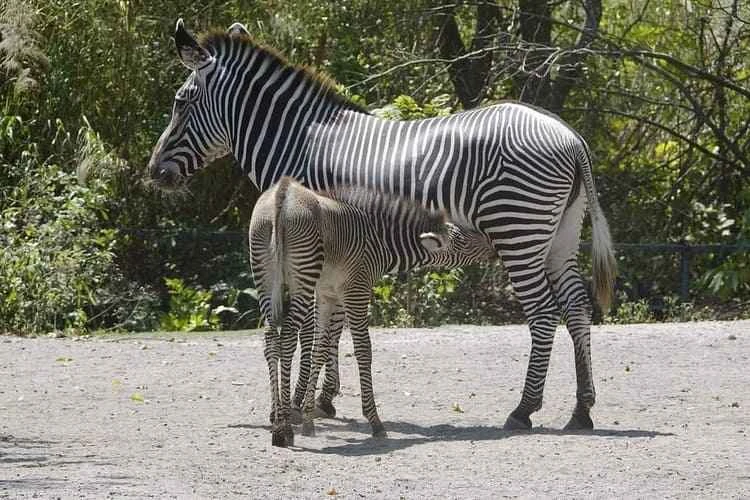
It has narrow black and white stripes, a white belly, and large, nearly round ears; its mane stands tall and erect, and its tail has a long tuft of hair at the end.
Detailed introduction
The Grevy's zebra ( Equus grevyi ) is the largest living wild equine species, known for its extremely narrow and dense black and white stripes and white belly , as well as its large, nearly round ears. Historically, its distribution covered northern Ethiopia, Kenya, and Somalia; today, it is mainly concentrated in the grassland-shrubland zone of northern Kenya and the arid ecoregion of southern Ethiopia . The IUCN lists it as Endangered (EN) .
Ecology and Behavior
They are adapted to arid and semi-arid environments and are adept at long-distance migration to find water sources and new pasture. Their social structure is centered on male territoriality , with females and foals moving between territories. They primarily feed on grasses and will supplement their diet with shrub leaves and bark during dry seasons.
Reproduction and life cycle
The gestation period is approximately 13 months, and births are usually single; females can come into estrus again 1–2 weeks after giving birth. Lifespan in the wild is typically 12–18 years (with significant individual variation), and can be even longer in captivity.
Major Threats and Protection
Habitat degradation and competition: Overgrazing, water access congestion, and infrastructure development reduce available pastures.
Drought and climate variability: Prolonged droughts lead to a decrease in the survival rate of young livestock and a deterioration in their physical condition.
Hunting and harassment: historically for hides and meat; risks related to conflict with human activities remain today.
Community-based protected areas and national parks in Kenya and Ethiopia are advancing water management, patrolling, livestock-wildlife co-management, and monitoring. Key areas include protected areas and community conservation sites such as Lewa and Samburu-Buffalo Springs-Shaba in northern Kenya.
Frequently Asked Questions
Q1: How to distinguish it from a plains zebra?
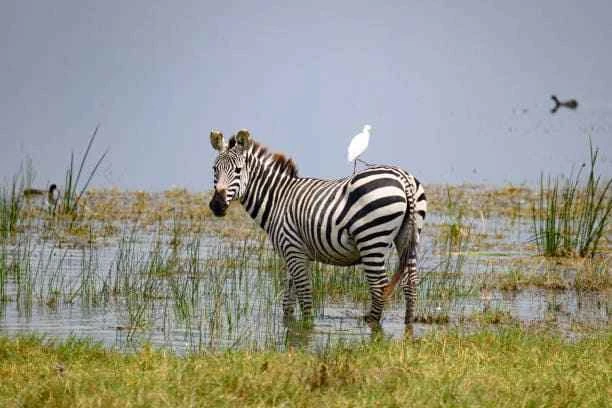
The Grevy's zebra has finer stripes, a white belly, larger, nearly round ears, and a higher mane; the Plains zebra usually has stripes on its belly and smaller ears.
Q2: Why is it listed as "Endangered (EN)"?
The population is small and fragmented, and its long-term trend remains uncertain due to drought, grazing competition, and human activities.
Q3: Is a stable water source required?
Yes. During the dry season, they rely on permanent water sources, and their activity range dynamically changes around water points, easily overlapping with that of livestock.