Basic Information
Scientific classification
- Chinese name: Koi
- Scientific name: Carp
- Classification: Small fish
- Genus and species: Koi (Carp)
Vital signs data
- Body length: 60-90 cm
- Weight: 0.9-6.8 kg
- Lifespan: 20-30 years
Significant features
Huge size
Distribution and Habitat
Appearance
Beautiful colors
Detailed introduction
Table of contents
What are koi fish?
The symbolic meaning and cultural value of koi fish
Introduction to common koi varieties
The size and weight of koi
Food and feeding techniques for koi
How to care for koi: water quality, filtration system, and pond setup
Common diseases and prevention of koi
Koi breeding techniques
9. Koi Fish Prices: Influencing Factors and Market Trends
10. The History of Koi: A Long-Standing Tradition and Cultural Symbol
1. What is a koi fish?
Koi fish are ornamental fish originating from Asia, belonging to the Cyprinidae family. They are relatively large, with vibrant colors and unique patterns, making them ideal for keeping in ponds for ornamental purposes. Unlike common carp, koi, with their rich colors and graceful forms, have become part of culture and art. Koi typically require clear, oxygen-rich waters, making them a favorite among gardening enthusiasts, fish lovers, and aquascape designers.
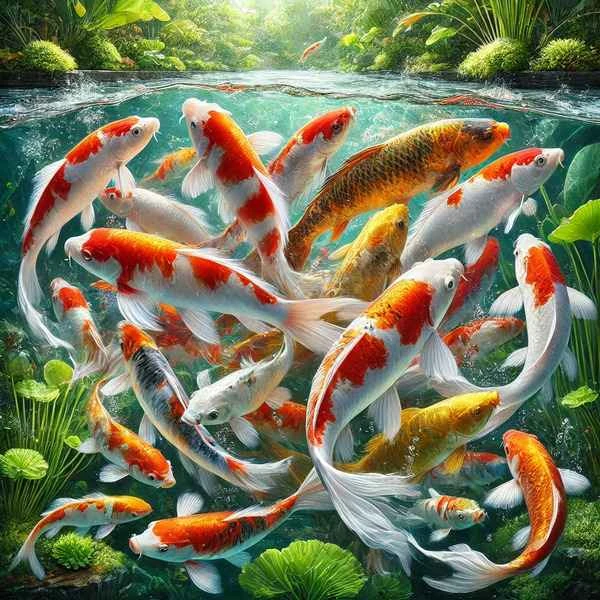
Koi originated in China, but were later bred in Japan, resulting in a wider variety of species. They are not merely ornamental fish; in many Asian cultures, koi also represent luck, prosperity, and longevity.
2. The symbolic meaning and cultural value of koi fish
Koi fish hold significant symbolic meaning in Eastern cultures, especially in Japan, China, and Korea. They are regarded as symbols of good fortune and luck.
Japanese Culture : In Japan, koi carp symbolize courage and perseverance. Legend has it that koi can swim up waterfalls and transform into dragons, thus representing victory and transcendence. Every year during the Dragon Boat Festival, Japanese families display koi carp banners to pray for the health and good fortune of their family members, especially young boys.
In Chinese culture , koi fish symbolize "abundance year after year," representing wealth and good fortune. They are often used as home decorations or in ponds, signifying family harmony and career prosperity.
Feng Shui : In Feng Shui, koi carp are believed to attract wealth, good fortune, and promote health. Many families and businesses keep koi carp to improve the energy (qi) within their homes.
Koi fish are not only a beautiful creature in nature, but also an important symbol in culture and art, serving as a medium for people to express their good wishes.
3. Introduction to Common Koi Varieties
There are many varieties of koi, each with its own unique colors and patterns. Here are some of the most popular koi varieties:
Kohaku (Red and White Koi) : This variety of koi is characterized by its white base color and vibrant red markings, and is typically the most common type of koi. They are elegant in shape and have striking colors.
Sanke : Sanke is a variant of Kohaku Koi. In addition to the red and white colors, it also has black spots on its body, giving it a unique visual impact.
Kin Gin Rin : This type of koi is known for its gold or silver scales, making it particularly suitable for display in sunlight. Its shimmering scales give it a dazzling, golden appearance.
Black koi (Karashi) : This type of koi has a deep and mysterious color, almost entirely black, and is highly prized for its rarity.
Hi Utsuri (Red and Yellow Koi) : This type of koi is characterized by its combination of red and black, giving it an impression of vitality and power.
Each koi variety has its own unique charm, and you can choose different varieties to raise according to your own preferences.
4. Size and weight of the koi
Koi can typically grow to a fairly large size. They can reach 60 to 90 centimeters (2 to 3 feet) in length, and in ideal conditions, some koi can even grow to over 1 meter (about 3 feet).
Weight : Adult koi typically weigh between 2 and 15 pounds (approximately 0.9 to 6.8 kilograms). However, in high-quality water environments, koi can grow larger, with some special varieties even reaching 20 pounds (approximately 9 kilograms).
Growth rate : The growth rate of koi depends on their environment, food, and water quality. They generally grow healthier and faster in ponds.
The large size and beautiful colors of koi make them a sought-after species for many fish enthusiasts. Suitable space and nutritious food are key to their healthy growth.
5. Koi food and feeding techniques
Koi are omnivorous fish and can eat a wide variety of foods. Proper feeding methods are crucial to ensure their healthy growth.
Food types :
Pellets : This is the most common food for koi, rich in various nutrients, which helps koi grow quickly.
Vegetables and fruits : Moderate amounts of vegetables such as spinach and carrots help provide vitamins and minerals. Fruits such as pears and apples are also ideal food for koi.
Live food , such as earthworms and small shrimp, can provide koi with the protein they need and increase the diversity of their diet.
Feeding amount and frequency : It is best to feed them 2 to 3 times a day, with a moderate amount each time, ensuring they can finish eating within 5 to 10 minutes . Avoid overfeeding to prevent water pollution.
Proper feeding can promote the healthy growth of koi and keep the pond water clean.
6. How to care for koi: water quality, filtration system, and pond setup
The environment in which koi are kept is very important; water quality, pond design, and filtration systems all directly affect their health.
Water quality management : Koi have high requirements for water quality. The pH value should be maintained between 6.5 and 7.5 , and the ammonia nitrogen content should be as low as possible. Regularly check the water quality and keep it clear.
Filtration system : Koi need clean water, so they need a high-efficiency filtration system to remove harmful substances from the water.
Pond design : The pond should ideally be 1.5 to 2 meters deep, with enough space for the koi to swim. Aquatic plants can be planted in the pond to provide the koi with a natural habitat and oxygen source.
The pond should be designed to meet the growth needs of koi, ensuring that they can live freely.
7. Common diseases and prevention of koi
Koi are healthy fish, but unsuitable water quality or environment can cause them to become ill. Common diseases include:
Saprolegniasis : This is a disease caused by water quality problems, often manifesting as white mold on the skin of koi. Maintaining clean water quality can effectively prevent it.
Scale loss : Koi scales may fall off due to external injury or bacterial infection. In this case, the sick koi needs to be isolated and the wound treated.
Parasitic infection : Koi can be infected with aquatic parasites, which can manifest as loss of appetite and abnormal swimming behavior. Regularly checking water quality and maintaining pond hygiene can effectively reduce this problem.
Regularly checking the health of koi and maintaining good water quality in the pond are key to disease prevention.
8. Koi Breeding Techniques
Koi typically breed in the spring, when they begin to lay eggs when the water temperature is suitable. Here are some tips for successfully breeding koi:
Suitable water temperature : During breeding, the water temperature should be maintained between 18°C and 24°C (64°F and 75°F).
Breeding environment : The pond needs to provide enough aquatic plants or artificial structures as a place for koi to lay their eggs.
Post-breeding care : After breeding, the female koi will lay eggs in aquatic plants. To prevent adult koi from eating the fry, the breeding group should be appropriately isolated.
Providing suitable breeding conditions can help koi reproduce successfully and hatch fry.
9. Koi Fish Prices: Influencing Factors and Market Trends
The price of koi varies depending on several factors, including breed, size, color, and pattern. Understanding these factors can help you make an informed purchasing decision.
1. Variety differences
The price of koi varies greatly depending on the breed. Certain rarer breeds command higher prices due to their rarity and uniqueness. For example:
Kohaku : This variety is one of the most common koi, with prices ranging from tens to hundreds of dollars, especially for high-quality individuals with beautiful patterns, which can fetch even higher prices.
Kin Gin Rin : This type of koi is usually more expensive due to its shiny golden scales, with a single fish potentially costing between $100 and $500 .
Sanke : The price of sanke varies depending on the distribution of the spots and the depth of the color. A high-quality sanke can cost between $150 and $300 .
Special varieties (such as black koi Karashi) : Due to the rarity of these varieties, the price is usually higher, possibly exceeding $500 .
2. Body size
The size of the koi is also a significant factor affecting its price. Generally speaking, the larger the koi, the higher the price.
Small koi (about 10-20 cm): Prices typically range from $10 to $50 .
Medium-sized koi (approximately 20-40 cm): Prices may range from $50 to $200 .
Large koi (over 40 cm, even over 1 meter): These koi typically belong to the high-end market and can cost anywhere from $500 to several thousand dollars .
3. Colors and patterns
The color and pattern of koi carp also greatly influence their price. Koi carp with vibrant colors and symmetrical, even patterns typically have a higher market value. For example:
Complete patterns : Red and white koi carp with evenly distributed and symmetrical patterns often command higher prices.
Unique colors : For example, extremely vibrant gold or silver koi, which are more expensive due to the rarity of their colors.
4. Purchase channels and locations
The location where you buy koi fish can also affect the price:
Specialized koi farms or aquariums : These places usually offer healthy and high-quality koi, but the prices may be higher.
Online marketplaces and pet stores : Online platforms may offer a variety of breeds and price options, but it's also important to pay attention to the seller's reputation and product quality.
5. Additional Costs
Besides the basic cost of purchasing koi, maintaining koi requires additional investment, such as pond construction, filtration systems, and water quality monitoring equipment. Therefore, the total cost of raising koi includes not only the purchase price but also the long-term maintenance costs.
Koi prices range widely, from small koi costing tens of dollars to large, rare koi costing thousands of dollars.
Quality, breed, size, and color are the main factors that determine the price of koi.
To obtain high-quality koi, it is recommended to choose a reputable breeding farm or professional aquarium shop, and consider the investment in related maintenance equipment.
If you are interested in buying koi, you can choose the appropriate variety according to your budget and preferences, and make full preparations for their care so that your koi can grow healthily and add beauty and good fortune to your pond.
10. The History of Koi: A Long-Standing Tradition and Cultural Symbol
Koi, a beloved ornamental fish, is renowned not only for its beautiful appearance but also for its rich historical and cultural significance. Its history dates back hundreds of years, originating in China and Japan, and gradually evolving into the ornamental fish widely bred around the world today. Understanding the history of koi not only allows us to better appreciate its beauty but also to gain a deeper understanding of its symbolic meaning in different cultures.
1. The Origin of Koi
Koi carp originated in China and are a type of carp. China has a long history of carp farming and they held an important place in many traditional gardens. The earliest carp varieties were mostly pale yellow and white, without vibrant patterns.
The Carp Culture in China : In China, carp have been regarded as a symbol of good fortune since ancient times. The legend of the carp leaping over the Dragon Gate is widely circulated, symbolizing success and promotion. In ancient garden ponds, carp were carefully raised as a symbol of wealth and good luck.
2. Improvement and introduction of koi carp to Japan
The name "koi" means "magnificent" or "splendid," while "koi" refers to a type of carp. Koi breeding originated in China, but in Japan, it gradually evolved into a unique breed.
19th-century Japan : In Japan, the history of koi breeding can be traced back to the early 19th century. Initially, Japanese farmers began selectively breeding carp with special colors and patterns for pond aquaculture. With the development of technology, koi colors gradually became more diverse, with the emergence of various colors such as red, white, gold, black, and yellow, and the formation of several varieties, such as the red and white koi (Kohaku) and the spotted koi (Sanke).
3. The cultural symbolism of koi fish
Koi are not only ornamental fish, but they also play an important symbolic role in many cultures. In Japan, koi are imbued with many meanings, especially in traditional festivals and ceremonies.
Symbolic Meaning in Japanese Culture : In Japan, koi carp are seen as symbols of courage, perseverance, and good fortune. Especially during the Dragon Boat Festival, people hang koi carp banners, symbolizing the healthy growth and success of family members, particularly boys. Furthermore, the legend of koi carp leaping over the Dragon Gate also symbolizes effort and success, often used to inspire people to pursue their dreams.
Symbolic meaning in Chinese culture : In China, koi carp are often considered a symbol of wealth, prosperity, and good fortune. Especially in Feng Shui, keeping koi is believed to bring good luck and improve the home's energy. Therefore, many families and shops keep koi in their ponds as a Feng Shui decoration.
4. The global spread of koi fish
As koi culture flourished in Japan, the breeding and appreciation of koi gradually spread to other parts of the world.
Acceptance and Prosperity in Europe and America : In the early 20th century, koi breeding techniques began to spread to Europe and America. Especially in the United States, koi gradually became decorative items for upscale gardens and ponds. Many aquariums and ornamental fish exhibitions began to display koi, enhancing their international reputation.
Modern breeding and competition : Today, koi are not only a part of home decoration but have also become an important competitive sport worldwide. At international koi competitions, the most beautiful koi can often fetch millions of dollars. These competitions not only test the beauty of koi but also drive continuous advancements in koi breeding techniques.
5. The status of koi fish in modern society
In modern society, koi carp, as ornamental fish, have become an important part of homes, shops, and gardens around the world. Whether in traditional Asian gardens or modern European and American homes, koi carp are ubiquitous.
The high-end market for koi : In some high-end markets, koi can fetch millions of dollars, especially individuals with unique breeds, colors, and patterns. Koi have gradually become a symbol of wealth and status, not only as ornamental fish but also as works of art.
The Culture of Koi Care : With the spread of koi culture, more and more people are learning how to scientifically care for koi. Specialized koi pond construction, filtration systems, and feeding techniques have become popular topics. Koi care is no longer simply about raising them, but a refined lifestyle.
The history of koi is long and diverse. From Chinese carp to Japanese koi, and now to their breeding and appreciation around the world, koi not only carry profound cultural connotations but also represent people's yearning for a better life. Whether as a mascot or as garden decoration, koi continue to be cherished and loved. In the future, koi will continue to spread their unique charm globally.
With careful care and a suitable environment, koi can grow up healthy and happy, bringing us beautiful visual enjoyment and good luck.
Frequently Asked Questions
Frequently Asked Questions
Can koi be kept indoors?
Koi typically require ample space and clean water, making them well-suited for outdoor ponds. While they can be kept indoors, a sufficiently large aquarium and a good filtration system are essential.
Can koi be kept with other fish?
Koi can usually coexist peacefully with other fish, but it is best to avoid keeping them with more aggressive fish.
How long can koi live?
Koi have a very long lifespan; under ideal conditions, they can live for 20 to 30 years , or even longer.


