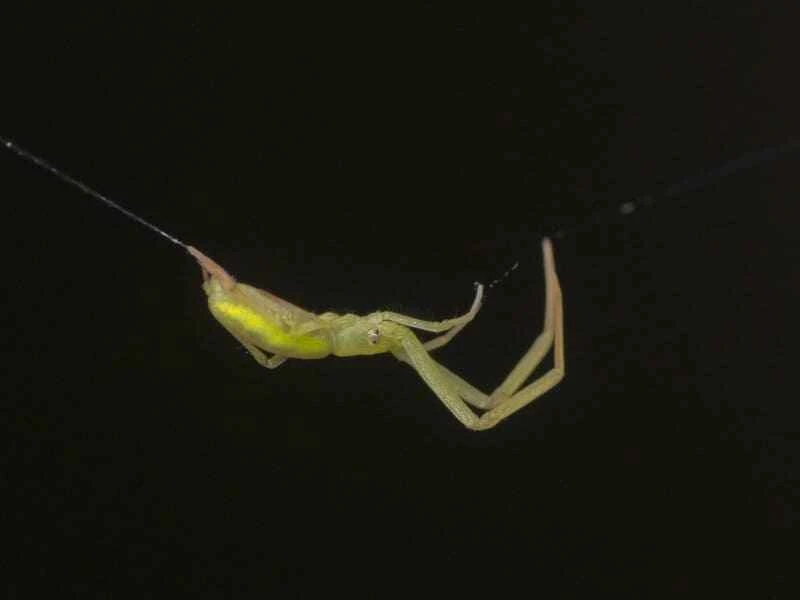
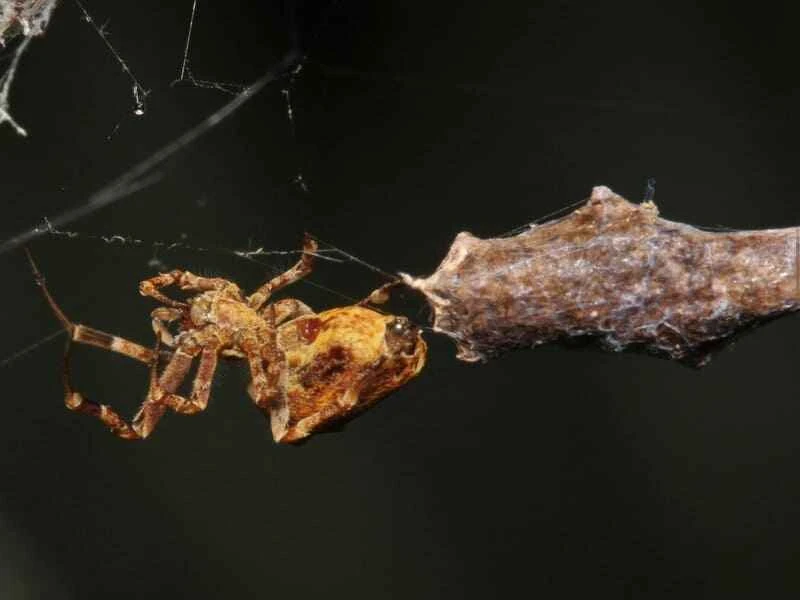
Basic Information
Scientific classification
- Chinese name: *Ponderland Spider*
- Scientific name: Uloboridae (typical genus Uloborus spp., etc.)
- Classification: Arthropoda
- Family: Amanita dae (Amanita spinulosa) Genus: Amanita spinulosa
Vital signs data
- Body length: Most spiders are about 3–10 mm in length, and are small to medium-sized spiders.
- Weight: Extremely light, mostly in the range of a few milligrams to over ten milligrams.
- Lifespan: Usually about 1 year, some species can overwinter.
Significant features
Spider silk is fluffy and bristly; it usually does not have venom glands; it uses its silk to entangle its prey; it is a typical small web-weaving spider.
Distribution and Habitat
It is widely distributed in temperate to tropical regions, weaving webs in shrublands, forest edges, around houses, and at the edges of farmland.
Appearance
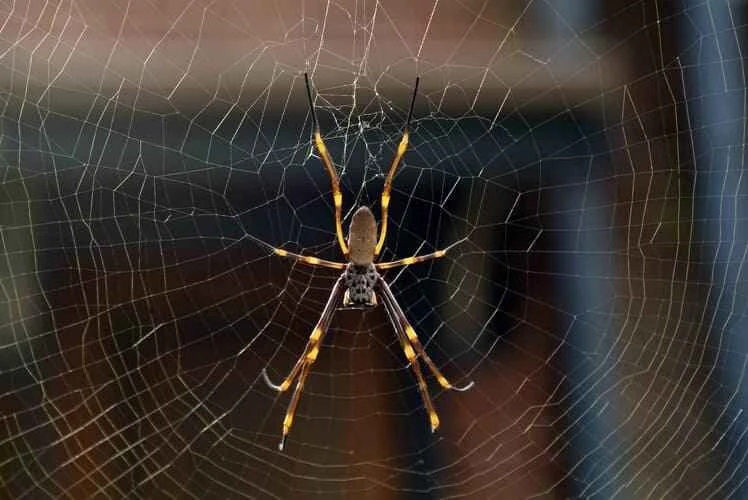
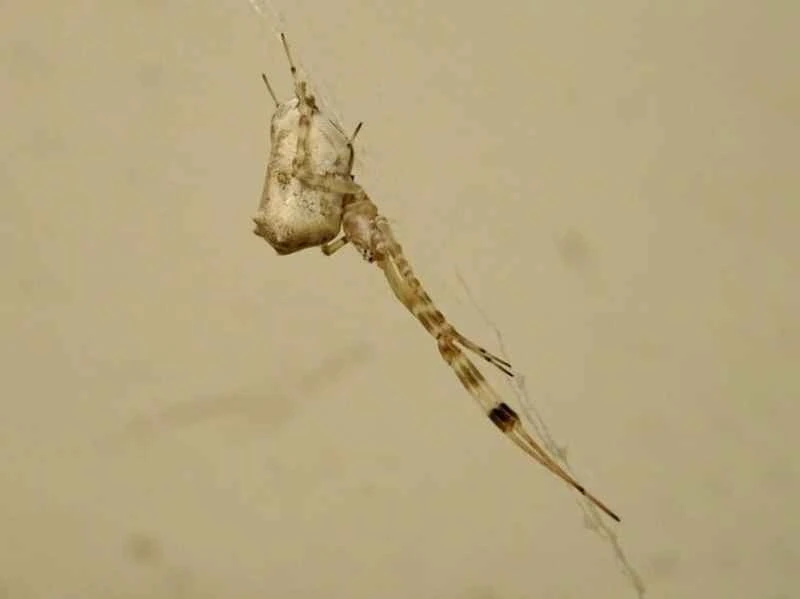
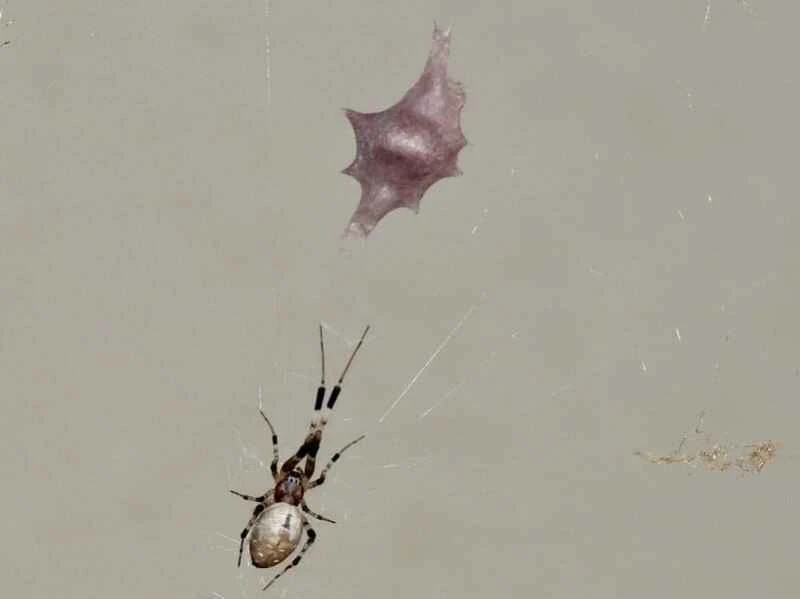
They are small in size with relatively long legs; their body color is mostly grayish-brown or yellowish-brown, which helps with camouflage; some species have fine lines or spots on their abdomen.
Detailed introduction
Hacked orb-weavers are a type of web-weaving spider with fine "hackled bands" on their silk. They mainly belong to the family Uloboridae , with common genera including Uloborus and Philoponella . Unlike the orb-weavers we are familiar with, their webs do not rely on sticky glue, but rather on strands of "fuzzy" silk to entangle their prey.
Basic Information
Scientific name (general term): Uloboridae – hackled orb-weavers (typical genus such as Uloborus spp.)
Size: Most spiders are about 3–10 mm in length, small to medium-sized.
Lifespan: Mostly around 1 year, some species can overwinter.
Ecology and Habits
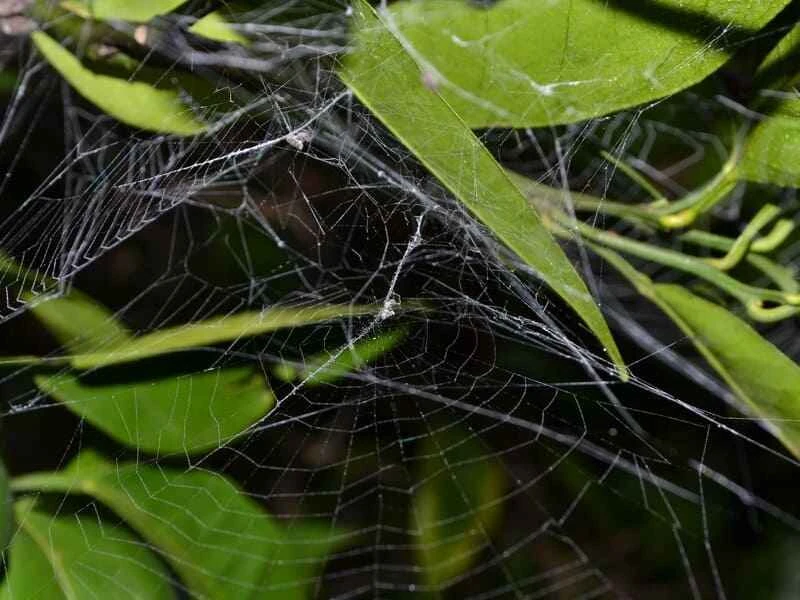
Ornamental spiders typically weave intricate, circular or triangular webs among bushes, in corners, window frames, and tree branches. They usually lie still in the center or on one side of the web, waiting for small flying insects to collide with it. Because the silk is fluffy, it can efficiently wrap around the insect's legs and wings, and even without the traditional "sticky silk," it can still firmly hold its prey in place.
Unique feature: Web-weaving spiders without venom glands
A notable characteristic of the Orb-weaver spider family is the lack of true venom glands . They do not rely on venom to paralyze their prey, but rather subdue them by binding them with silk and chewing them. This is very rare among spiders, making the Orb-weaver spider particularly interesting for educational purposes.
Toxicity and Effects on Humans
Lacking typical venom glands, and being relatively small and secretive, the orb-weaver spider poses almost no threat to humans . Occasional contact or getting caught in its web usually only causes a startle, and there's no need to worry about serious bites.
Ecological role
They feed on small flying insects (such as mosquitoes, midges, and small moths), playing a role in pest control in courtyards, farmland edges, and forest edges. Preserving a certain amount of shrub layer and natural structure helps web-weaving spiders such as the garden spider to establish stable web sites, thereby enhancing local biodiversity.
References
Framenau, VW, Baehr, BC, and Zborowski, P. (2014), *The Australian Spider Guide*. New Holland Press.
Vink, CJ and Curtis, KM (2020). A re-description of Philoponella congregabilis, an Australian hairy-legged orb-weaver spider (Uloboridae) now found in Christchurch, New Zealand. Canterbury Museum Record 34: 85–94.
Frequently Asked Questions
Q1: Is the garden spider dangerous to humans?
Current research indicates that spiders of the family Untouchable Webs lack typical venom glands and are small in size, posing virtually no real danger to healthy individuals.
Q2: Why is it called "hackled orb-weaver"?
"Hackled" refers to the spider's fluffy, barbed silk, which appears fuzzy under a microscope and is used to entangle its prey.
Q3: How are their webs different from those of ordinary garden spiders?
Common garden spiders rely on sticky silk with a viscous substance, while the silk-covered garden spider's webs mainly rely on the dry silk structure to "hook" insects.
Q4: Should these spiders be removed if they are found in the yard?
Usually, this isn't necessary; they help catch small flying insects. If the web happens to be blocking a passage, you can gently remove it, and the spider will usually choose another location.