Basic Information
Scientific classification
- Chinese name: Earth Spider
- Scientific name: Gnaphosidae (typical genus Gnaphosa spp., etc.)
- Classification: Arthropoda
- Family: Arachnididae; Genus: Arachnid
Vital signs data
- Body length: Typically 5–20 mm
- Weight: Varies depending on species and individual, typically ranging from tens to hundreds of milligrams.
- Lifespan: Generally 1–2 years, some species can overwinter.
Significant features
Nocturnal ground hunters; actively hunt terrestrial insects; generally have low toxicity to humans; have a pest control effect.
Distribution and Habitat
It is widely distributed in grasslands, gardens, farmland edges, forest edges and leaf litter, and rock crevices in various climate zones around the world.
Appearance
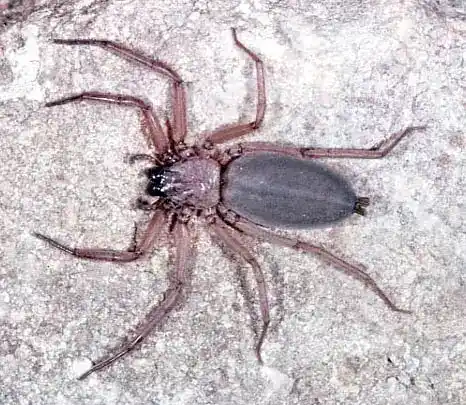
Small to medium in size, slightly flattened or oval; body color brown, gray or dark brown, sometimes with dark spots; some spinnerets protrude slightly.
Detailed introduction
Ground spiders are a large group of spiders that primarily live on the ground, usually classified under the family Gnaphosidae . Unlike garden spiders that weave large, circular webs in the air, they mostly run and ambush in leaf litter, rock crevices, and near tree roots, actively preying on small insects and other arthropods. They are important "ground hunters" in garden, grassland, and forest edge ecosystems.
Basic Information
Scientific name (general term): Gnaphosidae – ground spiders (typical genus such as Gnaphosa spp.)
Size: Most are small to medium-sized spiders, about 5–20 mm in length, with a few species being slightly larger.
Lifespan: Usually about 1–2 years, some temperate species can overwinter.
Ecology and Habits
Ground spiders are mostly nocturnal , hiding under rocks, in bark crevices, or in their self-built silken nests during the day, and emerging at dusk and night to hunt for food. They do not rely on webs, but rather on their agility and good eyesight to actively hunt insects on the ground, such as small beetles, ants, and cricket larvae. Some species will weave short silk tubes or "tents" in the ground or crevices as shelter for resting and molting.
Morphological characteristics
Most ground spiders have a flattened, slightly oval body shape and well-developed legs for running. Their body color is mostly brown, gray, or dark brown, sometimes with dark spots or stripes, providing good camouflage. Some species have a smooth abdomen with slightly protruding spinnerets (silk-spinning organs) at the front, which is one of the typical identifying features of ground spiders.
Toxicity and Effects on Humans
Like most common spiders, ground spiders possess venom glands to paralyze their prey. However, for healthy humans, occasional bites usually only cause mild local pain, redness, or itching and are not considered a medically dangerous species. They are generally shy and tend to avoid humans.
Ecological role
Ground spiders significantly reduce the populations of various terrestrial pests in farmland, grasslands, and gardens, making them important natural enemy insects. Preserving a certain layer of fallen leaves, rocks, and natural crevices, and reducing the use of pesticides, helps provide habitats for ground spiders and other predatory arthropods, thereby maintaining the balance of small ecosystems.
Frequently Asked Questions
Q1: Do ground spiders attack people on their own?
Generally not. Most ground spiders will run away quickly when they encounter a person, and will only bite defensively when squeezed or with nowhere to retreat.
Q2: Are ground spiders dangerous?
For healthy adults, bites usually cause temporary local discomfort; however, if an allergic reaction occurs or symptoms persist, medical attention should be sought promptly.
Q3: Do I need to get rid of spiders if I find them in my home or garden?
In outdoor environments, ground spiders are usually beneficial predators and do not need to be deliberately eliminated; if they enter indoors, they can be gently caught with a cup or paper and then released back outdoors.
Q4: What is the difference between ground spiders and wolf spiders?
Both live on the ground and actively hunt, but ground spiders are generally smaller and have different abdominal and spinneret shapes.
Furthermore, their eye arrangement and genus classification are also different.