Basic Information
Scientific classification
- Chinese name: Sumatran elephant
- Scientific name: Elephas maximus sumatranus
- Classification: Proboscidea
- Family and Genus: Elephant family, Elephant genus
Vital signs data
- Body length: shoulder height 2.0–3.0 meters; head and body length can reach approximately 6 meters.
- Weight: 2,000–4,000 kg (males are heavier)
- Lifespan: 60–70 years (possibly lower in high-risk areas)
Significant features
The smallest of the Asian elephants; key seed dispersers; matrilineal family groups; high risk of human-elephant conflict on the edge of farmland.
Distribution and Habitat
Lowland dipterocarp forests and peat bogs, river valley corridors and forest-farm mosaic landscapes of Sumatra, Indonesia.
Appearance
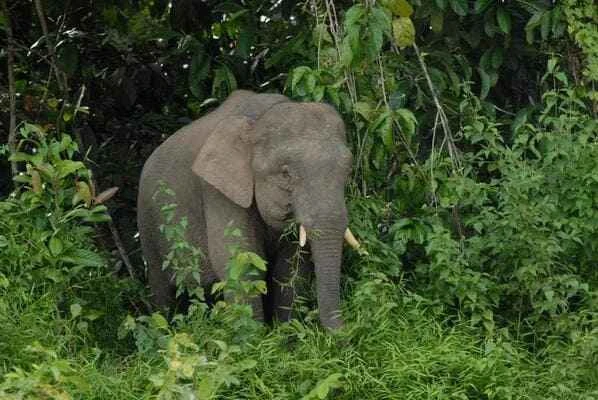
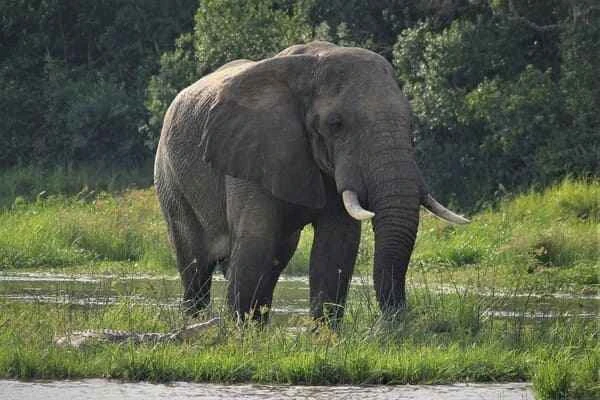
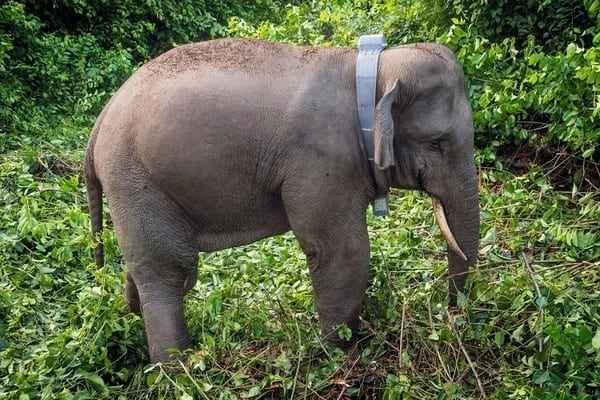
They are relatively short and stocky, with rounder ears; a "finger" protrusion at the tip of their nose; male elephants have shorter tusks, while female elephants mostly have no obvious tusks.
Detailed introduction
The Sumatran elephant ( Elephas maximus sumatranus ) is the smallest extant subspecies of Asian elephant, endemic to the island of Sumatra, Indonesia. In recent decades, its habitat has drastically shrunk and become highly fragmented due to the conversion of lowland rainforests into plantations and infrastructure such as roads. Coupled with frequent human-elephant conflicts, it has been classified as Critically Endangered (CR) . Small, scattered populations still exist in several protected areas, making them important seed dispersers and "ecological engineers" in the Sumatran forest ecosystem.
Ecology and Behavior
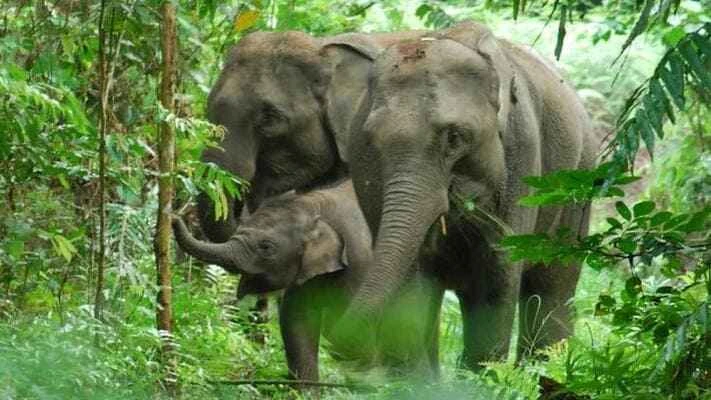
They feed on grass, bamboo, broad-leaved tree leaves, bark, and fruit; family herds are led by older females, and during the dry and rainy seasons they move between woodlands and valleys following water and food sources. Human-elephant conflicts are prone to occur when they are active at the edges of farmland, requiring early warning and mitigation measures.
Reproduction
Female elephants reach sexual maturity at around 10–12 years old, with a gestation period of about 22 months. They usually give birth to a single child, with the interval between births being 4–6 years. The quality of their habitat and stress significantly affect their ability to conceive.
Threats and Protection
Habitat loss/fragmentation : agricultural expansion such as oil palm farming, road construction.
Human-elephant conflict : crop losses trigger retaliatory injuries; occasional injuries from snares and traps.
Small population effect : Inbreeding in isolated populations increases the risk of random fluctuations.
Key initiatives include: building connecting corridors, anti-poaching and patrolling, conflict mitigation such as beehive/chili fences, community co-management and equitable compensation, and, when necessary, individual relocation based on scientific assessment.
Frequently Asked Questions
Q1: What are the differences between Sumatran elephants and Asian elephants in India/Sri Lanka?
Smaller in size and with rounder ears, male elephants have relatively shorter tusks, while female elephants mostly have no obvious tusks; their distribution range is limited to Sumatra.
Q2: Why is it rated as Critically Endangered (CR)?
The rapid decline and fragmentation of lowland rainforests, coupled with human-elephant conflict and isolated poaching, have reduced many populations to very small sizes and isolated them from one another.
Q3: How to reduce human-elephant conflict?
Establish early warning patrols, use beehives/chili fences in high-risk farmland, preserve migration routes, and provide corresponding compensation and community participation.
Q4: Can you still see them in the wild?
They can be seen in national parks and surrounding protected areas in Sumatra (such as Bukit Balisang), but entry requires a permit and a guide.


