Basic Information
Scientific classification
- Chinese name: Roundfin fish
- Scientific name: Massive fish, lumpy fish, northern chicken-head fish, wobbly fish
- Classification: Small fish
- Family and genus: Roundfin fish, croaker
Vital signs data
- Body length: 30-40 cm
- weight:
- Lifespan: 10 years
Significant features
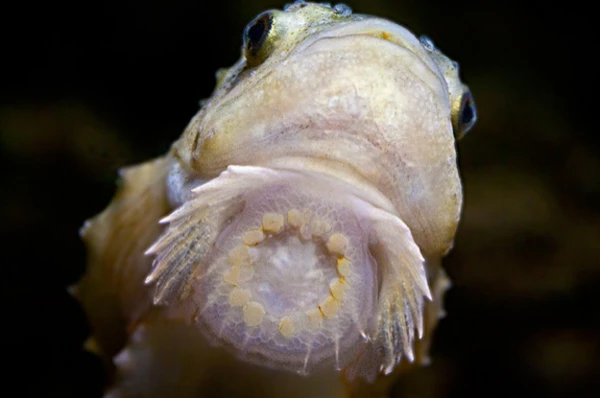
Its most distinctive feature is the suction cup fins.
Distribution and Habitat
The North Atlantic and surrounding waters, including Iceland, Greenland, and Norway.
Appearance
Their body shape is usually spherical or oval, and their body surface has raised, wart-like structures.
Detailed introduction
Roundfin fish (scientific name: Cyclopterus ) are a group of marine fish that live in the North Atlantic, Arctic, and some adjacent seas, belonging to the family Cyclopteridae. Among them, the most famous species is the lumpfish ( Cyclopterus lumpus ). These fish are highly regarded for their distinctive sucker-like fins and spherical bodies.
Table of contents
Overview of roundfin fish
External features
Distribution and Habitat
Life cycle and growth
Reproduction and reproductive behavior
Dietary habits
Ecological role
Commercial value
Preserve the status quo
Frequently Asked Questions
1. Overview of roundfin fish
Lumpfins belong to the genus *Cyclopterus * and are a type of marine fish known for their sucker fins. These fish typically inhabit colder waters, particularly in the North Atlantic and Arctic regions. The most well-known species is the chubby chub ( *Cyclopterus lumpus *), whose fins have evolved into suckers for attaching to rocks or other surfaces, helping them withstand strong ocean currents.
2. External features
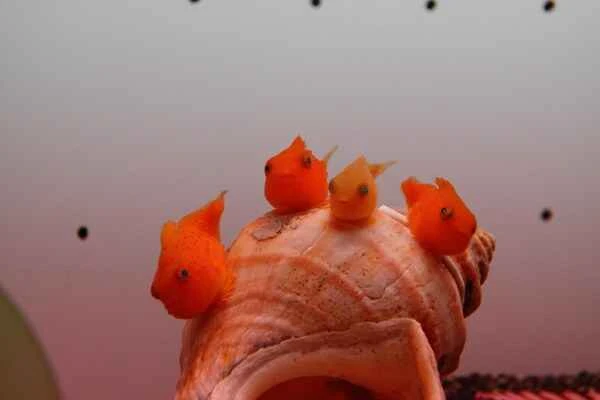
Roundfin fish typically have a spherical or oval body shape, with raised, wart-like structures on their body surface. Their most distinctive feature is their sucker fins , which have evolved to allow them to firmly attach to the seabed or rocks, resisting currents. Adult fish are usually quite large, with males reaching 30-40 cm in length and females exceeding 50 cm. Roundfin fish exhibit a variety of colors, commonly including gray, green, yellow, or brown. Mature males turn a striking orange-red during the breeding season.
3. Distribution and Habitat
Roundfin fish are widely distributed in the North Atlantic and surrounding waters, including Iceland , Greenland , and Norway . These fish typically inhabit cold waters and prefer to live in shallow seabeds and areas with abundant seaweed. During the breeding season, roundfin fish migrate to coastal areas, especially rocky areas on the seabed.
4. Life Cycle and Growth
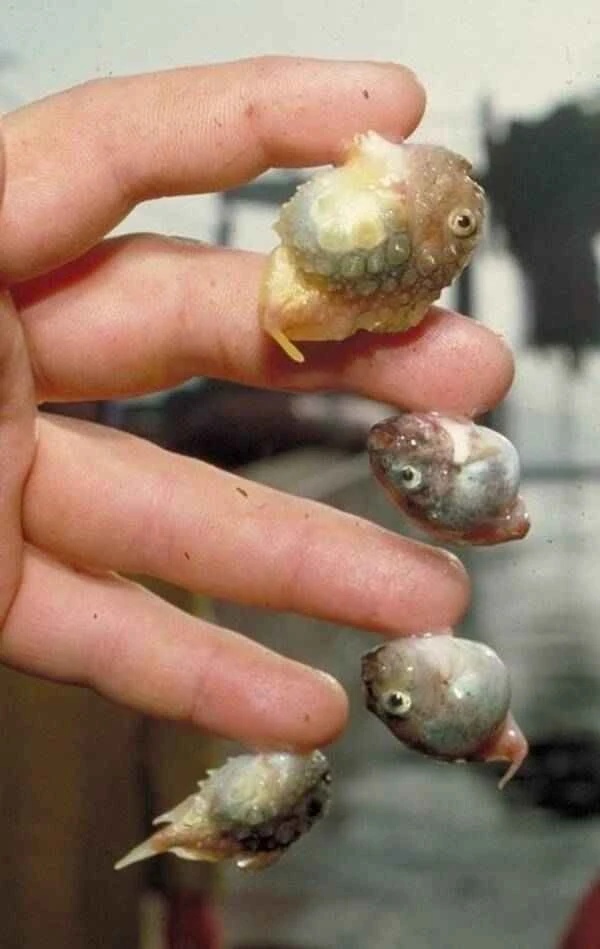
The life cycle of balunfish consists of several stages. Newly hatched fry typically live in tide pools or floating seaweed clumps, and as they grow, they migrate to open waters far from land. Adult fish then migrate back to coastal areas to reproduce. Balunfish generally have a long lifespan, living for more than 10 years, with the exact lifespan depending on factors such as water temperature, food availability, and predation pressure.
5. Reproduction and reproductive behavior
The breeding season for roundfin tadpoles typically begins in the spring, during which the males turn a vibrant orange-red. Females migrate to specific spawning areas, usually rocky or reef areas on the seabed. Each female lays between 50,000 and 220,000 eggs, which are then incubated under the male's care. During incubation, the male protects the eggs and fans the water with his fins to provide sufficient oxygen.
6. Dietary habits
Roundfin fish are omnivorous, with their main food sources including plankton , small crustaceans , and fish eggs . They typically live in the upper and middle layers of the water column, feeding in these areas. However, during the breeding season, adult roundfin fish often inhabit areas closer to the seabed or shallow waters.
7. Ecological Role
Lumpfin fish play an important role in marine ecosystems. They help control the population size of plankton, crustaceans, and other marine organisms. At the same time, lumpenfin fish are also prey for other marine animals, such as seabirds and some large fish.
8. Commercial Value
Lumpfish roe, especially that of males, is often caught to make caviar . This caviar is cheaper than traditional sturgeon caviar and is often used as an alternative to high-end caviar. Because the roe is rich in omega-3 fatty acids , there is a certain commercial demand for it. In addition, lumpfish meat is also consumed in some regions, particularly in Iceland , where it is salted, smoked, or cooked.
9. Preserve the status quo
While the population of roundfin chuatsi is stable in some areas, it has declined in others, particularly in Canada , due to overfishing and habitat destruction. According to the International Union for Conservation of Nature (IUCN), the roundfin chuatsi is listed as Near Threatened. Currently, stricter management measures are in place in Iceland and Greenland to ensure the sustainability of the population.
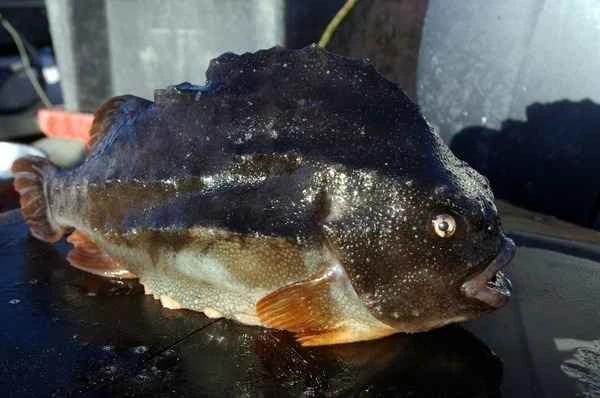
This article has provided you with basic information about roundfin fish, their life cycle, reproductive behavior, diet, and role in the ecosystem. Hopefully, it has given you a better understanding of this fascinating fish!
Frequently Asked Questions
Frequently Asked Questions
Q1: How long can a roundfin fish live?
The lifespan of roundfin fish is generally around 10 years , but some individuals can live longer, especially if their habitat is not disturbed too much.
Q2: Are roundfin fish poisonous?
Roundfin fish are not poisonous, but their skin and body surface may trigger mild allergic reactions. Their eggs are edible, but must be properly processed.
Q3: How do the sucker fins of roundfin fish work?
The sucker fins of roundfin fish are a distinctive feature. Through this sucker structure, they can firmly attach themselves to rocks, the seabed, or other surfaces, helping them resist water currents or remain still.
Q4: Where are roundfin fish mainly distributed?
Roundfin fish are mainly distributed in the North Atlantic and Arctic regions , and can be found in waters such as Iceland , Greenland , and Norway .