Basic Information
Scientific classification
- Chinese name: Hooked Stem Rove Beetle
- Scientific name: Paederus fuscipes
- Classification: Arthropoda
- Family: Crypteridae
Vital signs data
- Body length: 7-8 mm
- weight:
- life:
Significant features
This insect is best known for secreting a potent toxin called pederin, which is highly irritating to human skin.
Distribution and Habitat
The hook-stem rove beetle prefers to inhabit damp environments such as riverbanks, lake edges, farmland, and bushes. They are often found in places rich in organic matter and humus.
Appearance
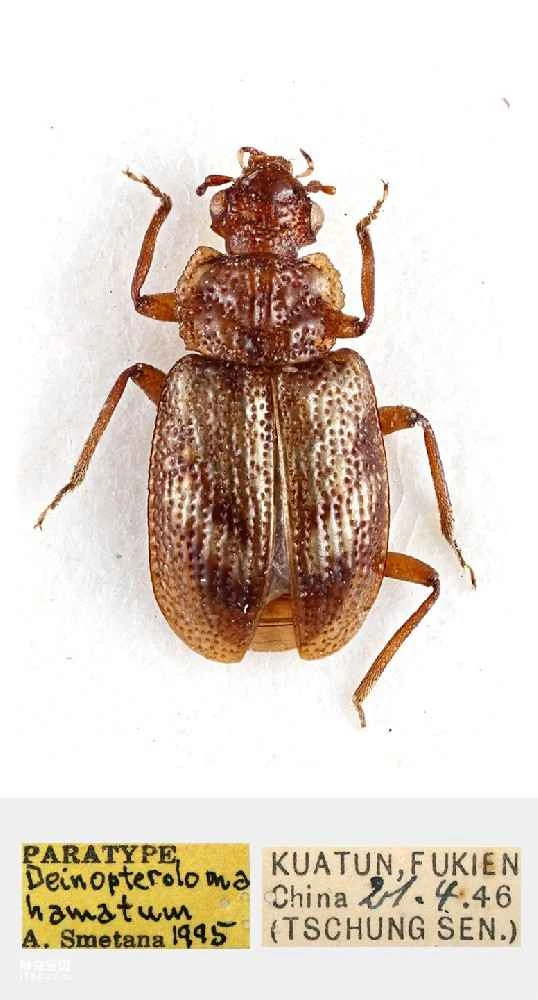
They are usually black or dark brown, though some species may have orange bellies. The forewings are short and not fully covered, leaving the abdomen partially bare, which allows the hindwings to be spread for short-duration flight when necessary.
Detailed introduction
The rove beetle (scientific name: *Paederus fuscipes*) is a small insect belonging to the family Staphylinidae, widely distributed in tropical and subtropical regions. They are slender, typically possessing a smooth, black or dark brown exoskeleton, and are named for their abdomen, which is hidden beneath their wings. This insect is best known for secreting a potent toxin called pederin, which is highly irritating to human skin.
Appearance features
Size : Body length is about 7-8 mm, body shape is slender.
Color : Usually black or dark brown, some species may have orange bellies.
Wings : The forewings are short and not fully covered, with the abdomen exposed, which allows the hindwings to be deployed for short-duration flight when necessary.
Ecology and Behavior
Habitat : The rove beetle prefers to inhabit damp environments such as riverbanks, lake edges, farmland, and bushes. They are often found in places rich in organic matter and humus.
Diet : It is a predatory insect, mainly feeding on other small invertebrates, such as aphids, mites and other pests, and is therefore considered a beneficial insect in agriculture.
Toxicity and Danger
Paederus dermatitis : The rove beetle contains a toxin called paederin. When human skin comes into contact with this toxin, it can cause severe skin inflammation, manifesting as redness, burning pain, blisters, and even ulceration. This skin reaction is known as rove beetle dermatitis or Paederus dermatitis.
Exposure risk : People usually come into contact with the toxins when they accidentally crush the insect on their skin or when an insect crawls over their skin while they sleep. Although the toxins are not transmitted through bites or stings, direct contact can cause severe skin reactions.
Protective measures
Avoid contact : Try to avoid areas where rove beetles are found, especially in damp, poorly lit environments. At night, close windows or use mosquito nets to prevent the insects from entering your living area.
Proper treatment : If contact occurs, immediately wash the affected skin area with soap and water, and avoid rubbing to prevent the spread of toxins. If severe symptoms occur, seek medical attention promptly.
Summarize
Although small in size, the rove beetle (Hooked Stem Rove Beetle) poses a significant health threat to humans due to its toxicity. However, as a predatory insect, it also plays a positive role in controlling agricultural pests. Therefore, when encountering this insect, it is important to be aware of its toxicity and its significance in the ecosystem.