Basic Information
Scientific classification
- Chinese name: Freshwater crocodile
- Scientific name: Crocodylus johnstoni
- Classification: Crocodilians
- Family: Crocodilianidae; Genus: Crocodilia
Vital signs data
- Body length: Adults are typically about 2–3 meters long, with males slightly larger than females, but much smaller than estuarine crocodiles.
- Weight: Weight varies greatly depending on the size of the individual, with most adults weighing between tens of kilograms and over one hundred kilograms.
- Lifespan: Freshwater crocodiles are long-lived reptiles, capable of living for decades in the wild, and can potentially reach decades or even longer in captivity under good conditions.
Significant features
A medium-sized crocodile native to Australia, it has a long, narrow snout and a relatively small body. It lives mostly in inland rivers and pools. Compared to the larger estuarine crocodiles, it is more fearsome of humans but is still a highly efficient freshwater apex predator.
Distribution and Habitat
They are mainly distributed in the inland river systems and valley pools of northern Australia, including northern Western Australia, the Northern Territory and northern Queensland, and prefer slow-flowing river sections, deep pools (billabongs), seasonal ponds and freshwater reservoirs.
Appearance
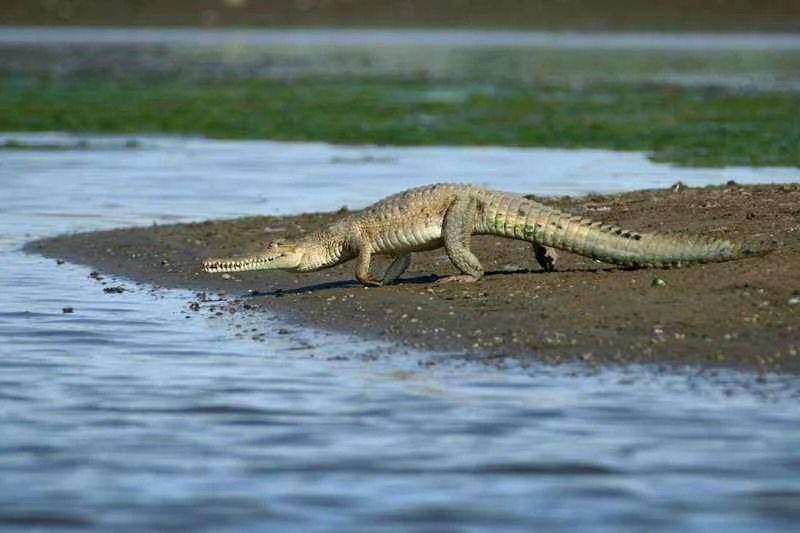
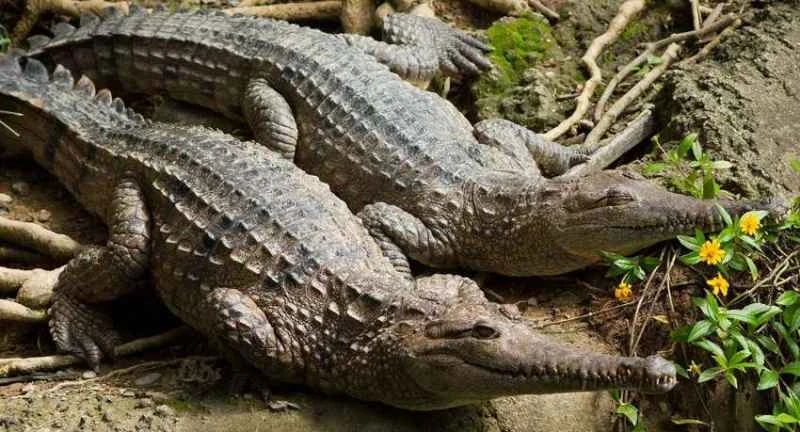
Medium-sized with a long, slender body and a strong, slightly flattened tail. The head and snout are long and narrow, with the eyes and nostrils located on the front of the head. The back is mostly olive brown or grayish-brown with dark spots or horizontal stripes, while the belly is light yellow or cream-colored, with more pronounced markings on juveniles.
Detailed introduction
The freshwater crocodile (commonly known as the Johnston crocodile, scientific name *Crocodylus johnstoni *) is a medium-sized crocodile with a long snout, belonging to the genus *Crocodylus* in the family Crocodilianidae. It is endemic to the inland rivers and pools of northern Australia, sharing some distribution areas with the larger and more aggressive saltwater crocodile. Compared to the saltwater crocodile, the freshwater crocodile is smaller and generally more timid, but can still be aggressive when provoked or mishandled.
Classification and nomenclature
Freshwater crocodiles belong to the class Reptilia, order Crocodilia, family Crocodylidae, and genus Crocodylus . Their scientific name, Crocodylus johnstoni, commemorates Johnstone, the explorer and naturalist who participated in crocodile surveys in northern Australia; hence, they are also known as Johnstone's Crocodile in English. The common English name, Freshwater Crocodile, directly indicates their preference for freshwater environments, distinguishing them from the Estuarine/Saltwater Crocodile, which lives in estuaries and along the coast.
Appearance features
Freshwater crocodiles are medium-sized, much smaller than estuarine crocodiles. Adults typically reach 2–3 meters in length, with males slightly larger than females. One of their most distinctive features is their long, narrow snout, which appears more "slender and delicate" than the broad snout of saltwater crocodiles, adapted for hunting small fish and other small prey. Their heads are relatively elongated, with eyes and nostrils located at the front of the head, facilitating observation and breathing even when most of their body is submerged. Their backs and tails are covered with hard bony plates, forming a rough "crocodile armor." The back is usually olive-brown or grayish-brown with dark spots or stripes, while the belly is lighter in color, pale yellow or cream. Juveniles have more pronounced markings, often with distinct alternating light and dark patterns.
Distribution range and habitat
Freshwater crocodiles are endemic to Australia, primarily found in the inland river systems and hilly valleys of northern Australia, including parts of northern Western Australia, the Northern Territory, and northern Queensland. Typical habitats include slow-flowing sections of inland rivers, billabongs (deep pools in valleys), seasonal ponds, floodplains, and reservoirs. Unlike saltwater crocodiles, which are more commonly found in estuaries and coastal areas, freshwater crocodiles are more prevalent in inland freshwater valleys and rocky canyon pools. However, in some areas, both species may share different sections of the same river system.
Lifestyle Habits and Behaviors
Freshwater crocodiles hunt using a combination of ambush and short-range pursuit. They spend most of their time lying in wait near the water's edge or in shallow water, and once fish or other small animals approach, they quickly swing their tails and leap out of the water to capture their prey. They are usually more active at dusk, night, and dawn, and during the day they are often seen basking in the sun on riverbanks or rocks to regulate their body temperature. Compared to saltwater crocodiles, freshwater crocodiles are generally more cautious and shy, often choosing to dive or swim away when encountering humans; however, during the breeding season or when cornered or captured, they will still mount a powerful bite attack.
feeding habits
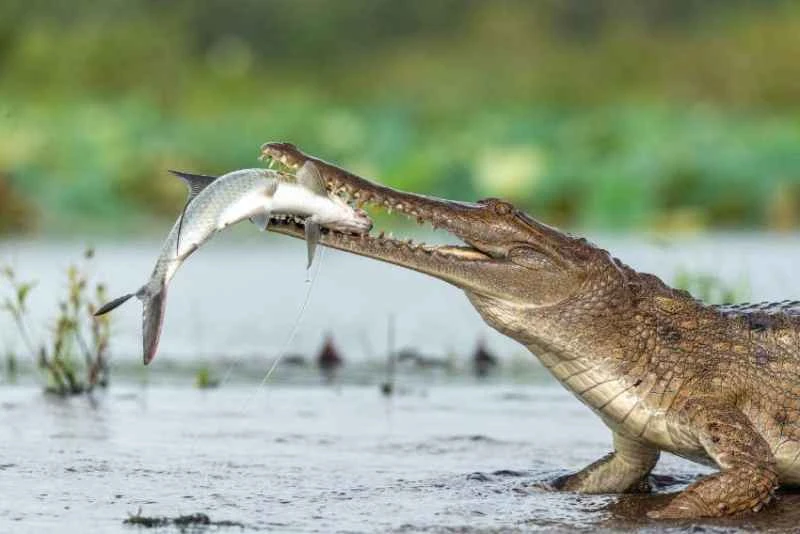
Freshwater crocodiles are carnivorous predators. Juveniles primarily feed on insects, aquatic invertebrates, small fish, and tadpoles. As they grow, their diet expands to include various fish, crustaceans (such as crayfish), amphibians, reptile larvae, and small birds and small mammals that fall into or near the water's edge. Their long, slender snouts are perfectly suited for quick, sideways strikes and gripping of slippery fish, making them highly efficient predators in clear freshwater rivers and pools. They also consume floating dead fish and other carcasses, making them important scavengers in freshwater ecosystems.
Reproduction and life cycle
Freshwater crocodiles are oviparous, and their breeding season generally corresponds to the local dry and rainy seasons. Female crocodiles typically dig nests on riverbanks or sandy riverbeds and terraces above the waterline, or construct simple nest pits in loose soil and plant debris. The number of eggs laid per clutch varies depending on the size and health of the female, generally around a dozen. After laying eggs, the female remains vigilant near the nest area, driving away some predators. The incubation time is mainly affected by ambient temperature. As incubation nears completion, the calls of the young crocodiles inside the nest attract the female to dig it open and help the young reach the water. Like other crocodiles, freshwater crocodile larvae have a high early mortality rate, with only a few individuals successfully reaching adulthood.
Relationship with humans
Compared to the notorious estuarine crocodile, which is known for its association with humans, freshwater crocodiles generally pose less of a threat to humans, with attacks being relatively rare. In most cases, freshwater crocodiles will dive away before even spotting humans. However, they are still large wild predators and may bite in defense if provoked, accidentally caught, or forced; therefore, a safe distance should be maintained when observing them in the wild. In Australia's national parks and inland gorges, freshwater crocodiles are also a highlight of ecotourism, allowing visitors to observe the natural behavior of this unique crocodile species from a safe distance via viewing platforms and boat trips.
Protecting the status quo and threats
Freshwater crocodiles are typically classified as "Least Concern" on the IUCN Red List, with relatively stable populations in many suitable habitats in northern Australia. Historically, they have faced pressure from the leather trade and habitat disturbance, but strong legal protections and wetland conservation measures have led to population recovery in many areas. Currently, local populations may still face threats such as altered river hydrology by dams and water conservancy projects, the impact of invasive species like cane toads, water pollution, and occasional human-crocodile conflicts. The key to protecting freshwater crocodiles lies in maintaining the natural hydrological rhythms and shoreline structure of inland rivers and ponds, controlling invasive species and pollution, and balancing safety management with species conservation in tourism and recreational use.
Frequently Asked Questions
Q1: What are the main differences between freshwater crocodiles and saltwater crocodiles?
Freshwater crocodiles are smaller with slender snouts and mainly live in inland freshwater rivers and pools; while saltwater crocodiles are larger with wider snouts and can live in estuaries, mangroves, and nearshore saltwater environments. There are far fewer recorded attacks on humans by freshwater crocodiles, but both should be kept at a safe distance; do not attempt to approach or feed them.
Q2: Do freshwater crocodiles attack humans on their own initiative?
In most cases, freshwater crocodiles prefer to avoid humans, preferring to dive or swim away. They may only bite out of defense when cornered, captured, or guarding their nests during the breeding season. Therefore, it is essential to respect their safe distance when in their habitat.
Q3: Is it safe to swim in the inland gorges and rivers of Australia?
Whether a body of water is safe to swim should be determined strictly based on the warnings and instructions from local authorities and the scenic area. Some areas are clearly marked as freshwater crocodile habitats, but pose a lower risk to humans; other areas may also contain saltwater crocodiles, posing a significantly higher risk. Visitors should heed all warning signs and official advice and never enter the water if it has not been confirmed as safe.
Q4: Are freshwater crocodiles currently facing serious conservation pressures?
Overall, freshwater crocodiles are not currently considered critically endangered, but local populations may be affected by water conservancy projects, invasive species, water pollution, and human disturbance. Continued protection of inland river and wetland ecosystems, enhanced monitoring, and proper management of tourism and recreational activities will help ensure the long-term stable survival of this Australian endemic crocodile in the wild.