Basic Information
Scientific classification
- Chinese name: Striped Swamp Frog
- Scientific name: Limnodynastes peronii
- Order: Anura
- Family and genus: Marsh Ranaidae
Vital signs data
- Body length: Adults are generally about 5–7 cm in length, belonging to medium-sized, robust semi-aquatic frogs.
- Weight: Individual body weight is usually around ten grams, but varies depending on body length, sex and nutritional status.
- Lifespan: It is estimated that it can survive for several years in the wild, and can participate in the breeding season multiple times in areas with abundant wetland resources and stable environments.
Significant features
One of the most common swamp frogs in eastern Australia, it is known for its longitudinal stripes on its back and its "pot-knocking" call, and it is well adapted to a variety of environments, including farmland, cities and natural wetlands.
Distribution and Habitat
It is widely distributed along the eastern coast and near the interior of Australia, from Queensland and New South Wales to Victoria and parts of South Australia and Tasmania, and is commonly found in natural swamps, ponds, farmland irrigation ditches and urban park water bodies.
Appearance
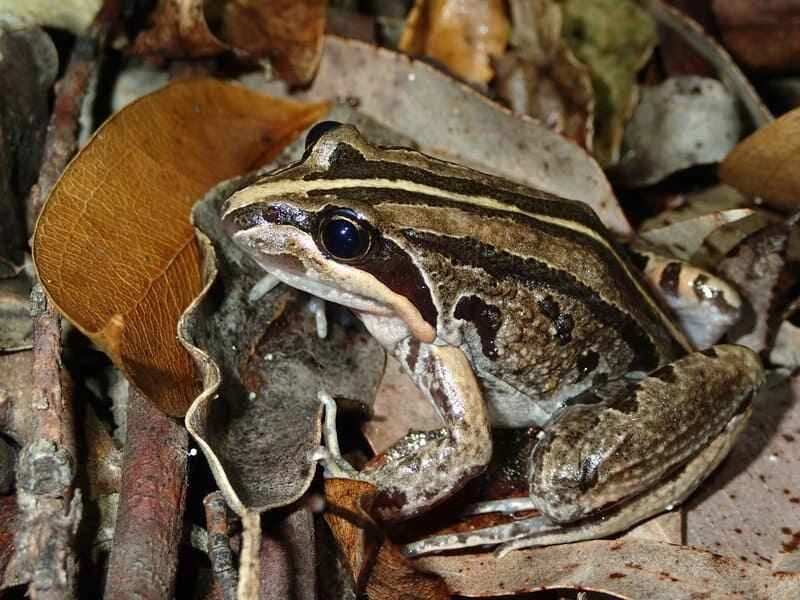
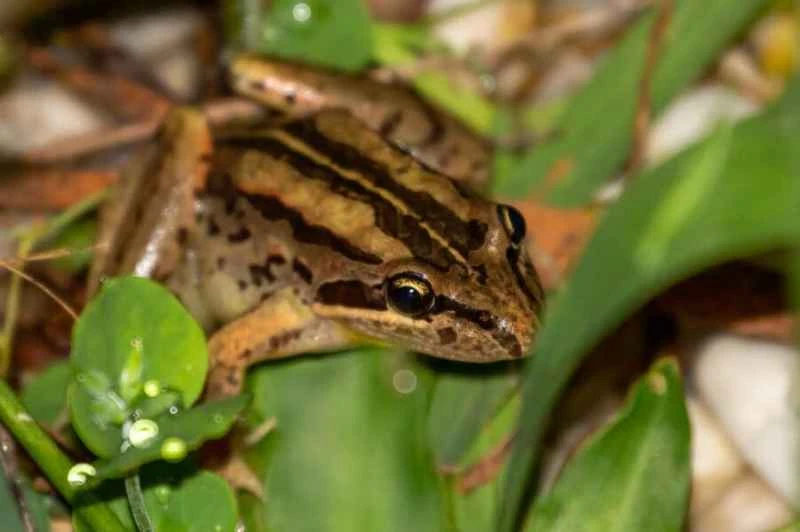
It has a robust body, with a brown or olive-brown back with several longitudinal stripes and dark spots, and a lighter-colored belly; its limbs are strong, and its hind feet have obvious webbed membranes, which is advantageous for swimming and moving in shallow water.
Detailed introduction
The Striped Marsh Frog ( Limnodynastes peronii ) is a medium-sized frog widely distributed in eastern Australia, belonging to the genus Limnodynastes in the family Limnodynastidae. It is a very common member of the "marsh frog family," known for its longitudinal stripes on its back and its loud "pot-knocking" call, and is frequently found in garden ponds, farmland ditches, and natural wetlands.
Classification and nomenclature
Chinese reference name: Striped Swamp Frog (common translation, also translated as Striped Swamp Frog, etc.);
English name: Striped Marsh Frog;
Scientific name: Limnodynastes peronii ;
Family: Limnodynastidae → Limnodynastes .
Appearance and Identification Features
The striped swamp frog is medium-sized and sturdy, with very prominent longitudinal stripes on its back.
Size: Adults are typically 5–7 cm long, with females generally slightly larger than males;
Body shape: The body is stout and slightly oval, with a wide and flat head, giving an overall impression of being "short, fat and sturdy";
Back color: The base color of the back is mostly brown, olive brown or grayish brown;
Longitudinal stripes: The back usually has several dark or light longitudinal stripes or bands from the head to the back of the body, which is one of the most distinctive identifying features;
Spots: In addition to longitudinal stripes, dark brown spots or patches are often scattered on the back and sides of the body;
Abdomen: The abdomen is milky white, light gray, or light yellow, and may have a few spots;
Skin texture: The skin on the back is relatively smooth or has a few small warts, unlike the rough skin of a toad;
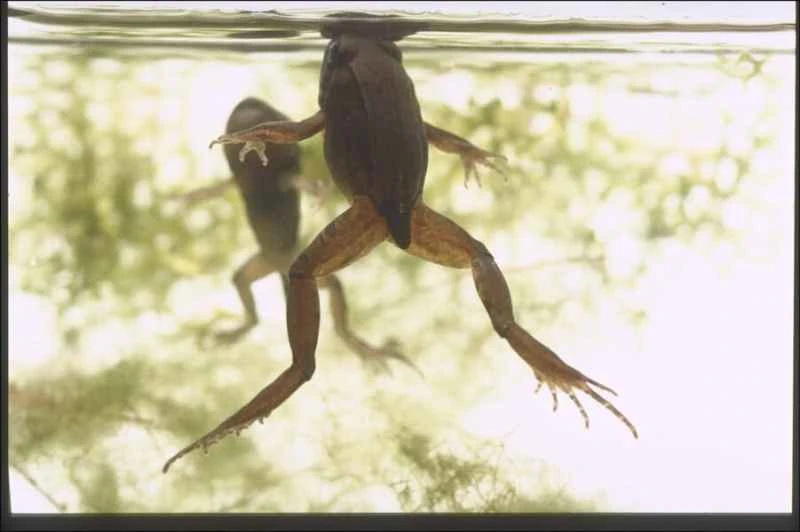
Limbs: The limbs are strong, the hind limbs are well-developed, and the toes have relatively obvious webbed membranes, which are adapted to swimming and activities in shallow water;
Tympanic membrane: The tympanic membrane is clearly visible and located behind the eye.
Distribution range and habitat
The striped swamp frog is one of the common frog species in the coastal and near-inland areas of eastern Australia .
It is widely distributed in eastern Queensland, New South Wales, Victoria, and parts of South Australia and Tasmania;
It can be found in a variety of wetland environments, from coastal plains to inland lowlands.
Typical habitats include:
Natural marshes, ponds, lake edges, and floodplain wetlands;
Irrigation ditches, dams, and low-lying waterlogged areas in grasslands;
City parks, garden ponds, drainage channels, and artificial wetlands.
Lifestyle
The striped swamp frog is a nocturnal, semi-aquatic frog .
During the day, they mostly hide in the grass by the water, under rocks, fallen trees, or in caves to avoid the light and rest.
They are most active from dusk to night, especially on warm, humid nights or after rain.
They often move between shallow water, muddy ground, and damp grasslands, frequently entering and exiting water and land.
vocal characteristics
The striped swamp frog has a very distinctive call, which is an important clue for identifying this species:
The call of male frogs is often described as sounding like striking metal or "banging on a pot," making repeated "tok... tok... tok..." or "dong... dong..." syllables;
During the breeding season, dozens or even hundreds of male frogs sing together at night in ponds, swamps or garden pools, creating a very noisy chorus.
The calls often come from the water or from vegetation along the water's edge, and are especially frequent on rainy nights.
feeding habits
The striped swamp frog feeds on various small invertebrates:
Terrestrial insects, such as ants, small beetles, crickets, grasshoppers, etc.;
Mosquitoes, midges, and other small flying insects that live near bodies of water;
Larvae and other arthropods that inhabit damp soil, fallen leaves, and muddy waterside areas.
Reproduction and Development
The reproduction of the striped swamp frog is closely related to rainfall and water conditions:
The breeding season usually occurs during warm, rainy seasons, or when there is excessive rainfall over a period of time.
Male frogs call out to attract female frogs near ponds, swamps, farmland irrigation ditches, and garden pools.
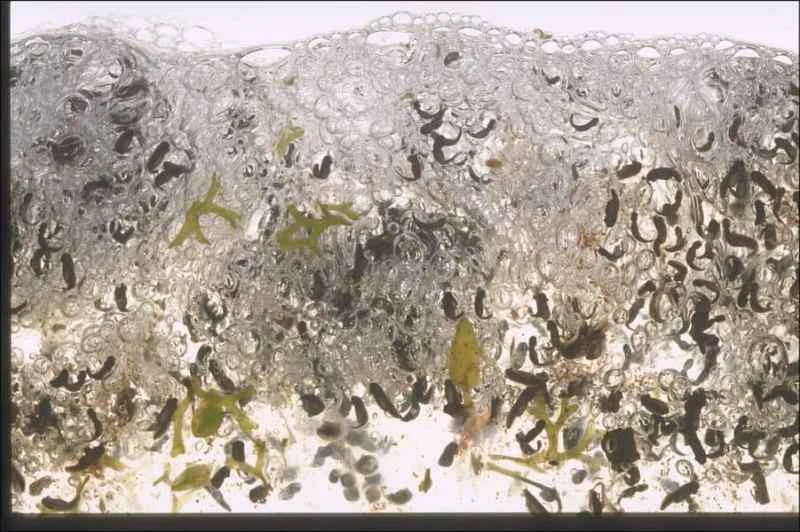
Female frogs lay their eggs on the water surface or in shallow water near the edge, often forming egg masses with foam or egg clusters floating on the water surface;
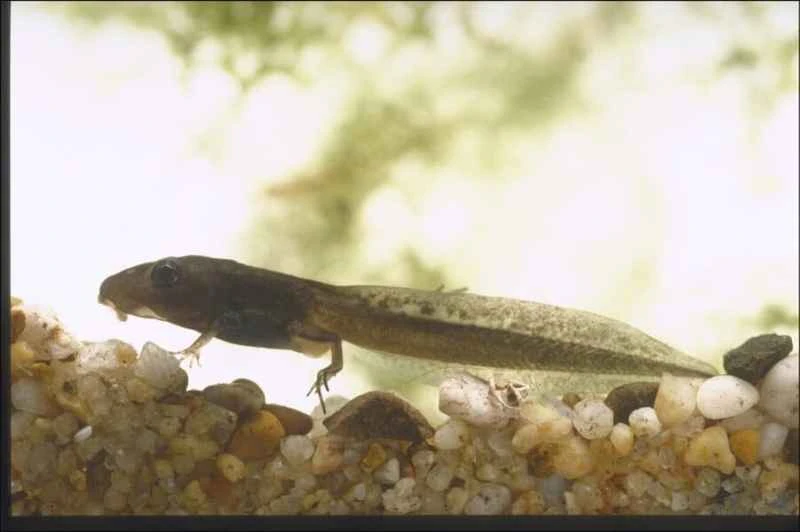
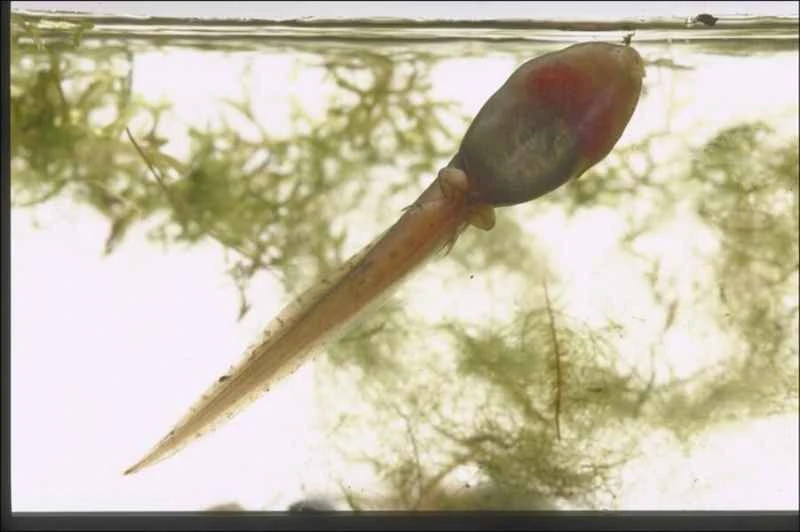
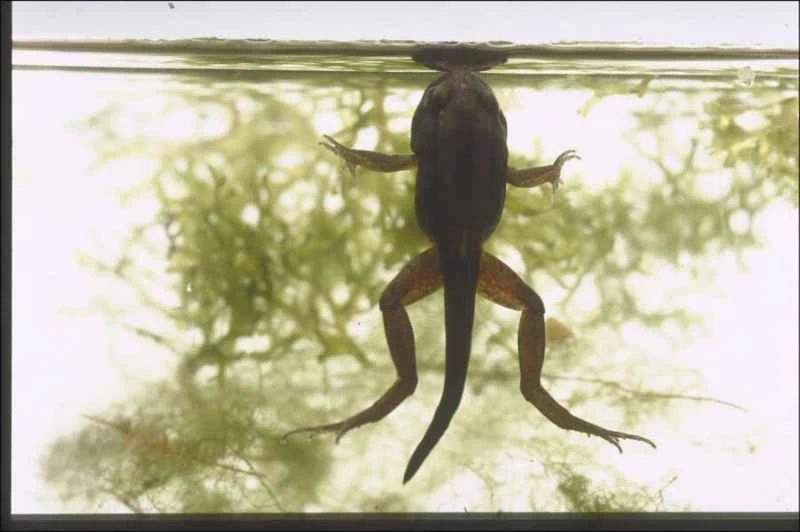
Tadpoles develop in water and can grow to a relatively large size. They require a relatively stable body of water to successfully complete metamorphosis.
After metamorphosis, the young frogs leave the water and live in the surrounding moist areas.
Protecting the status quo and threats
In the IUCN Red List, the striped swamp frog is assessed as Least Concern (LC) , indicating its widespread distribution and overall population stability.
Potential threats include:
The filling, drainage, or hardening of some wetlands has led to a reduction in breeding sites;
Pesticides, fertilizers, and urban pollutants enter water bodies, affecting the health of tadpoles and adult frogs;
An increase in invasive fish or aquatic predators puts predation pressure on tadpoles.
Overall, the striped swamp frog is highly adaptable and can form stable populations in artificial water bodies and garden ponds in human-modified environments, so it remains quite common in many areas.
Frequently Asked Questions
Q1: What is the difference between the striped swamp frog and the spotted swamp frog?
The striped swamp frog's back is mainly characterized by longitudinal stripes, with spots as a secondary feature; while the spotted swamp frog's dark spots are more prominent, and the most common feature is "spots + light-colored dorsal stripes".
The two frogs also have different calls; the striped swamp frog's call sounds more like striking metal or "banging on a pot."
Q2: Are striped swamp frogs common in cities?
Very common. Striped swamp frogs can inhabit any environment with year-round or seasonally flowing water, such as park ponds, garden ponds, and drainage ditches.
Their loud calls can often be heard at night.
Q3: Are striped swamp frogs dangerous to humans?
It is generally believed that it poses no direct danger to humans and will not attack people unprovoked.
Like most frogs, the skin mucus may cause slight irritation to the eyes and oral mucosa; simply wash your hands after observing the condition.
Q4: Will the striped swamp frog affect pets or the yard environment?
They generally do not cause negative effects; on the contrary, they prey on large numbers of insects and other invertebrates, helping to reduce the number of mosquitoes and some pests.
It is beneficial to the courtyard ecology.