Basic Information
Scientific classification
- Chinese name: cockatiel
- scientific name:
- Classification: Birds of prey
- Family: Cockatiel
Vital signs data
- Body length: 30-33 cm
- Weight: 80-120 grams
- Lifespan: 15-20 years
Significant features
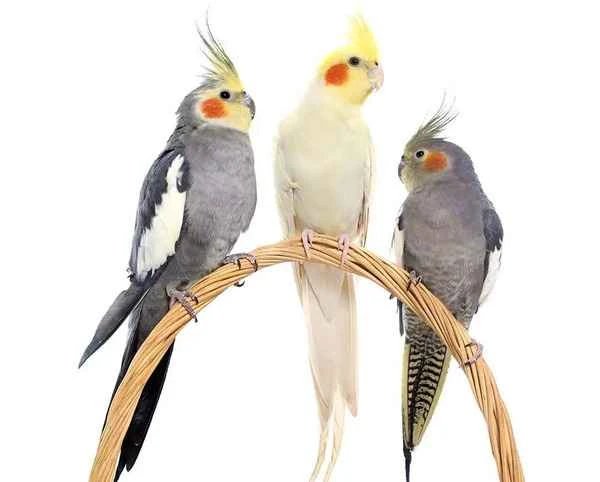
The plumage is grey, with bright yellow and orange spots on the face; males typically have a yellow crest.
Distribution and Habitat
Spacious birdcage and enough space for them to move around
Appearance
Detailed introduction
Cockatiels are a very popular pet bird, favored by countless families for their gentle temperament and affectionate nature. Their unique appearance and agile movements make them beloved by bird enthusiasts. If you are considering getting a cockatiel, or already own one, this article will provide you with comprehensive knowledge about cockatiels to help you better care for your feathered friend.
Table of contents
Cockatiel daily care
Cockatiel behavior habits
Cockatiel species and variants
Cockatiel health management
Basic knowledge of cockatiel breeding
Cockatiel habitat
Cockatiel's Voice and Communication
Cockatiel training techniques
Cockatiels' social and intimate relationships
How to choose a healthy cockatiel
Fun facts about cockatiels
1. Daily care for cockatiels
The primary task in keeping cockatiels is to provide a suitable environment and proper diet. Here are some key points for daily care:
Diet: Cockatiels' diet should include seeds, pellets, vegetables, and fruits. Common foods include sunflower seeds, alfalfa, carrots, and apples. Avoid feeding them toxic foods such as chocolate, coffee, and avocados.
Cleaning and grooming: Cockatiels enjoy bathing. You can gently spray their feathers with a spray bottle or provide a water dish for them to bathe voluntarily. Trim their feathers and claws regularly to keep them clean and healthy.
Habitat: Cockatiels need a spacious cage that allows them to move freely. Providing them with suitable perches, flight space, and a variety of toys can effectively stimulate their intellectual and physical activity.
Cockatiel size and weight
Body length: Adult cockatiels are usually around 30-33 cm in length (including the tail).
Weight: Adult cockatiels weigh approximately 80-120 grams. Males are generally lighter, while females are slightly heavier.
Body type characteristics
Cockatiels are relatively small in size, with fluffy feathers and long tails, giving them an elegant and agile appearance. Their size makes them suitable for living in smaller spaces, such as family birdcages, but they still need sufficient space for flight and roosting.
2. Behavioral Habits of Cockatiels
Cockatiels are gentle, curious, and enjoy interacting with people. They exhibit many interesting behaviors, and understanding these habits can help you get along with them better.
Singing and whistling: Cockatiels love to make various sounds, especially whistling. They can imitate simple melodies or sounds, and sometimes even learn to mimic their owner's voice.
Affection and dependence: Cockatiels are very affectionate birds. They like to interact with their owners, often flying to their owner's shoulder or even rubbing their head against their owner's hand to show affection.
Activities and Play: Cockatiels are very active and love to jump, climb, and play. Providing them with toys that will pique their curiosity, such as bells, swings, and ropes, can help them expend their excess energy.
3. Types and Varieties of Cockatiels
Cockatiels have different varieties and species, each with distinct plumage colors and temperaments. Common cockatiel species include:
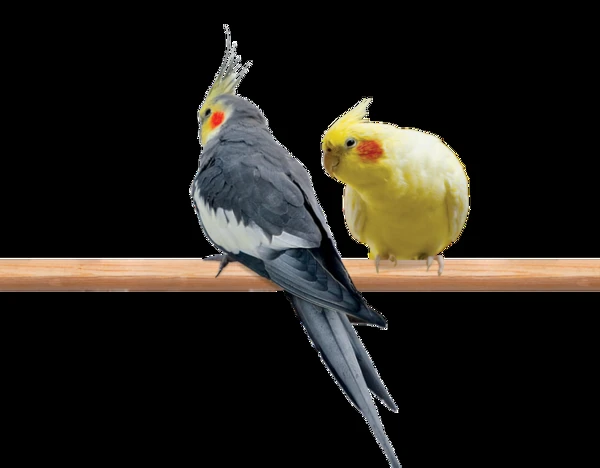
Standard Cockatiel: This is the most common species. Its plumage is grey with bright yellow and orange spots on its face. Males usually have a yellow crest.
Pearl Cockatiel: This parrot has pearl-like spots, and its feathers look like they are inlaid with small beads, making it very unique in appearance.
White-faced cockatiels: Their facial feathers are lighter than those of standard cockatiels, usually white, giving them a fresher appearance.
Golden Cockatiel: This variant has predominantly yellow plumage, making it very popular among pet lovers.
4. Health Management of Cockatiels
Maintaining the health of your cockatiel is the responsibility of your bird owner. Here are some key points for health management:
Lifespan: Cockatiels typically live for 15 to 20 years, but some healthy cockatiels can live up to 25 years.
Common health problems: Common health problems for cockatiels include bird diseases, respiratory infections, and feather loss. Regular veterinary checkups and keeping their cages clean and hygienic can help prevent these problems.
Feather shedding and replacement: Cockatiels go through a molting period every year, which is a normal physiological process for them. When you notice a large amount of feather loss, it may be due to seasonal molting.
5. Basic knowledge of cockatiel breeding
If you are interested in breeding cockatiels, it is very important to understand some basic breeding knowledge:
Breeding season: Cockatiels usually begin breeding in spring or summer. During this time, female cockatiels lay eggs, usually 3 to 7 eggs at a time.
Incubation process: Cockatiel eggs need to be incubated under suitable temperature and humidity conditions. The incubation period is usually 18 to 21 days. After the chicks hatch, the parents will continue to feed them.
6. Habitat of Cockatiels
Cockatiels need a suitable habitat to thrive. Providing a spacious cage and enough room for them to move around is very important.
Cage selection: Cockatiels need a spacious cage, preferably a rectangular one, with enough space for them to stretch their wings.
Perches and toys: Provide cockatiels with a variety of perches made of different materials to ensure they can rest in different locations. Also, provide them with plenty of toys, such as bells, swings, and cardboard boxes, to help them expend energy.
7. Cockatiel's Voice and Communication
Cockatiels communicate with humans through a variety of sounds; they can mimic different voices, languages, and melodies, making them a valuable member of the family.
Learning to imitate: Cockatiels can imitate simple melodies, whistles, and even their owner's voice. They may learn to say a few simple words or make whistling sounds.
Cockatiels make different sounds depending on the situation. They express their emotions through their calls, which may include happiness, excitement, or loneliness.
8. Cockatiel Training Techniques
Cockatiels are very intelligent and can learn many interesting skills through training:
Positive reinforcement: Use positive reinforcement to train cockatiels by rewarding them for correct behaviors, such as providing delicious treats or praising their performance.
Goal-oriented training: Cockatiels can learn goal-oriented training, such as touching objects with their beaks or flying to a designated location. Training these skills can help them interact better with their owners.
9. Social and Intimacy Relationships in Cockatiels
Cockatiels are very social birds and typically enjoy interacting with people. By building a close bond, they can trust you more:
Building Trust: Establishing a good relationship with a cockatiel requires patience. By interacting with them daily and giving them plenty of love and attention, they will become more dependent on and trust you.
Social interaction: Cockatiels enjoy interacting with family members or other birds, and proper socialization can help them maintain mental health.
10. How to choose a healthy cockatiel
Choosing a healthy cockatiel is the first step in pet ownership:
Observe their appearance: Healthy cockatiels have glossy feathers and bright, clear eyes without any discharge. Check their claws for strength and their feathers for damage.
Behavioral observation: Healthy cockatiels are lively and active, and should not exhibit lethargic or evasive behavior.
11. Fun Facts About Cockatiels
Cockatiels are a very distinctive member of the "parrot family," with bright plumage and a lively personality, making them very popular.
Their name "Cockatiel" comes from "Cockatoo" and "Tiel" because their head crests resemble those of the cockatoo, a type of parrot.
This article will give you a more comprehensive understanding of cockatiels, how to care for them, and how to create a healthy and happy living environment for them.
Frequently Asked Questions
How long can a cockatiel live?
A healthy cockatiel can typically live 15 to 20 years, or even longer.
Can cockatiels learn to talk?
Yes, cockatiels are very intelligent and can mimic sounds and simple words.
How do cockatiels get along with other pets?
Cockatiels generally get along well with other birds, but caution should be exercised when interacting with pets such as cats and dogs.