Basic Information
Scientific classification
- Chinese name: sea urchin
- Scientific name: *Spiny scabra*, *Spiny scabra*, *Spiny sea snail*, *Spiny sea ball*
- Classification: Echinoderms
- Genus and species: Sea urchin
Vital signs data
- Body length: 10 cm
- Weight: 0.47g-61.5g
- life:
Significant features
Covered in hard thorns
Distribution and Habitat
Rocks and Coral Reefs
Appearance
Spike
Detailed introduction
Table of contents
What is a sea urchin?
Types and physical characteristics of sea urchins
Sea urchin habitat and living environment
Dietary and ecological role of sea urchins
Health benefits of sea urchin
The status of sea urchin in cuisine
Sea urchin harvesting and conservation
Dangers and precautions of sea urchins
Sea urchin reproduction: everything you need to know
Summarize
1. What is a sea urchin?
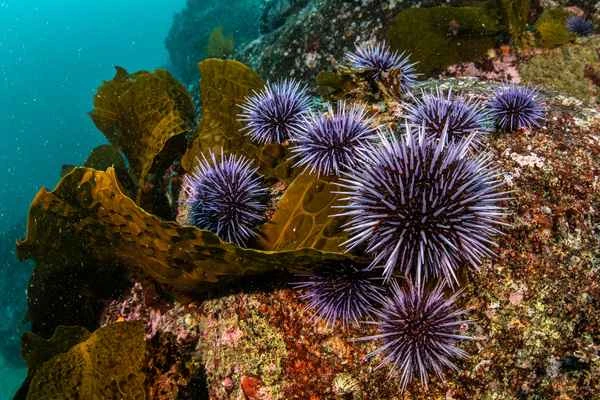
Sea urchins are marine invertebrates belonging to the phylum Echinodermata. Their bodies are spherical or oval, covered with hard spines, the length and shape of which vary depending on the species. Sea urchins typically inhabit the seabed, particularly rocky reefs and coral reefs. Although small in size, they play a very important role in the marine ecosystem.
Simply put, sea urchins look like tiny "spiky balls" slowly crawling along the seabed. Their spines not only serve as defense but also help them stabilize themselves and avoid being capsized by waves. Touching these spines is no small matter, especially for some sea urchins with venomous spines.
2. Types and physical characteristics of sea urchins
There are many types of sea urchins, and they vary in color, shape, and size. Common sea urchins include purple sea urchins , red sea urchins , and green sea urchins , which are the types we see every day.
Purple sea urchin : This is a relatively small sea urchin, usually purple or black, and quite common. They generally live in cold water areas, especially near rocky reefs.
Red sea urchins : Compared to purple sea urchins, red sea urchins are usually larger, with a red or orange appearance, and inhabit warm waters.
Green sea urchin : This type of sea urchin is predominantly green, relatively small in size, and commonly found in shallow waters. It is well adapted to low water temperatures.
Besides the differences in color, sea urchins also vary in their spines. Some sea urchins have very long, needle-like spines, while others have shorter spines, which are suitable for their habitat. Overall, sea urchins have a unique shape, resembling both a small ball and a spiky "weapon."
Sea urchin species: A comprehensive overview
Sea urchins come in many varieties, each with its own unique characteristics and habitats. Below is a detailed comparison of several well-known sea urchin species, covering their physical characteristics, habitats, and geographical distribution.
| type | External features | Habitat | Geographical distribution | food |
|---|---|---|---|---|
| Purple sea urchin ( Strongylocentrotus purpuratus ) | Small, purple or red in color; long, sharp thorns. | Kelp forest, rocky coast | From Alaska to Baja California, Pacific region | Seaweed, giant kelp, humus |
| Black sea urchin ( Arbacia lixula ) | Black body shape, short and hard spines; spherical. | In shallow waters, they typically inhabit coral reefs. | Mediterranean and Eastern Atlantic regions | seaweed, small invertebrates |
| Edible sea urchin ( Echinus esculentus ) | Large, spherical, with spines ranging from yellow to purple. | Rocky coastal areas, sandy bottom | North Atlantic, Europe, North America | seaweed, small organisms |
| Spiny sea urchin ( Diadema antillarum ) | The spines are very long and thin, and the body color is usually black or dark brown. | Coral reefs, shallow waters | Caribbean Sea, Gulf of Mexico, Western Atlantic region | Seaweed, especially large seaweed |
| Green sea urchin ( Lytechinus variegatus ) | Green or olive-colored body with relatively long spines; small body size. | Shallow water area, seagrass bed | Western Atlantic, Gulf of Mexico, and Caribbean region | seaweed, seagrass, humus |
| Flower sea urchin ( Toxopneustes pileolus ) | Brightly colored (yellow, orange, or purple), with short, poisonous spines. | Coral reefs, shallow lagoons | The Indo-Pacific region, including Australia and Southeast Asia | seaweed, humus, small invertebrates |
| Australian spiny sea urchin ( Centrostephanus rodgersii ) | The body is dark in color, and the spines are long and sharp, often purple or purplish-blue. | Coastal areas, rocky coastal areas | Australia, New Zealand and nearby Pacific islands | Seaweed, giant kelp and humus |
| Cave sea urchin ( Echinometra lucunter ) | Small, dark-colored, with short spines; flattened body. | Coral reefs, rock surfaces, crevices | Caribbean Sea, Gulf of Mexico, Western Atlantic region | seaweed, coral, humus |
| Collecting sea urchins ( Tripneustes gratilla ) | Round, bright green, with short thorns. | Shallow tropical and subtropical waters | Indo-Pacific region, including Pacific islands | seaweed, humus, small organisms |
| Red sea urchin ( Mesocentrotus franciscanus ) | Large, red or orange, with long and strong spines. | Kelp forest, rocky coast | Coastal California and Alaska in the United States, Pacific region | seaweed, macroalgae |
Key points:
Differences in appearance : Some types of sea urchins, such as the purple sea urchin ( Strongylocentrotus purpuratus ), are smaller with long and sharp spines; while the red sea urchin ( Mesocentrotus franciscanus ) is larger with thick and strong spines.
Habitat preferences : Most sea urchins prefer to inhabit rocky or coral reef environments, but some species are adapted to sandy beaches or seagrass beds. For example, the green sea urchin ( Lytechinus variegatus ) is commonly found on seagrass beds.
Geographical distribution : Different species of sea urchins are distributed in different sea areas. For example, the spiny sea urchin ( Diadema antillarum ) is mainly distributed in the Caribbean Sea, while the flower sea urchin ( Toxopneustes pileolus ) is distributed in the Indo-Pacific region.
Dietary habits : Most sea urchins feed on seaweed, such as the purple sea urchin ( Strongylocentrotus purpuratus ), which mainly feeds on seaweed and giant kelp. However, the flower sea urchin ( Toxopneustes pileolus ) is an omnivorous animal that eats small invertebrates in addition to seaweed.
By understanding the characteristics, habitats, and diets of different sea urchin species, the table above can help identify and study these fascinating marine creatures, and also provide an important reference for marine ecological conservation.
3. Sea urchin habitat and living environment
Sea urchins prefer to inhabit hard surfaces on the seabed, especially near rocky reefs and coral reefs. They typically live in shallow waters with suitable temperatures. When you dive, you can see sea urchins amidst the colorful underwater landscape. In these locations, sea urchins can find shelter in rock crevices, avoiding strong currents and predators.
While most sea urchins inhabit warm, shallow waters, some species prefer colder areas. For example, purple sea urchins typically appear in colder waters, while red sea urchins prefer warmer marine environments.
For sea urchins, the clarity of the water and the environment of the seabed are crucial factors for their survival. If the seabed is too polluted or the water quality changes drastically, sea urchins may face survival pressure.
4. The dietary and ecological role of sea urchins
Sea urchins are typical herbivores, feeding on algae, seagrass, and other plants. They use their specialized mouthparts, known as "sea urchin mouths," to nibble on algae on the seabed. Their dietary habits have a significant impact on marine ecosystems.
Sea urchins play a vital role in maintaining ecological balance. They help control the growth of seagrass and algae, preventing their overgrowth. A decrease in sea urchin populations can lead to algae overgrowth, impacting the habitats of other marine life. Conversely, an overabundance of sea urchins can cause ecological imbalance, affecting the entire marine environment.
Therefore, sea urchins are not only part of the food chain, but they also play a positive role in the health of the entire marine ecosystem.
5. Health benefits of sea urchins
Sea urchins are not only an important part of the marine ecosystem but also a valuable resource for human health. They contain abundant protein, vitamin B12, omega-3 fatty acids, and other nutrients, especially their roe , which is considered a highly nutritious superfood. The omega-3 fatty acids in sea urchins help reduce the risk of cardiovascular disease, boost immunity, and alleviate inflammation.
Furthermore, sea urchins' high protein and low fat content makes them an ideal ingredient in some healthy diets. For those who value a healthy diet, sea urchins are an excellent choice.
6. The status of sea urchin in gastronomy
Sea urchins not only play an important role in the ocean, but also hold a place in the cuisines of many regions around the world. Especially in Japan, sea urchin sushi (Uni Sushi) is a very popular and upscale dish. Fresh sea urchin has a delicious flavor and is full of marine life; paired with rice and soy sauce, it's simply divine.
Sea urchins can be prepared in many ways. Besides sushi, they can be made into sea urchin soup, stew, or salad. In addition to Japan, many high-end restaurants in Western countries also use sea urchins as a main ingredient in their dishes, and some places even use sea urchins to make specialties such as sea urchin sauce or sea urchin oil .
7. Sea urchin harvesting and conservation
Sea urchin harvesting is an important economic activity in some countries, especially in Japan and the United States. Due to high market demand, sea urchin harvesting faces the risk of overfishing. Therefore, many regions have established harvesting quotas and protected areas to ensure the sustainable development of sea urchin resources.
To protect marine ecosystems, governments and relevant organizations are strengthening efforts to conserve sea urchins. Through the implementation of strict fishing regulations and the promotion of aquaculture, sea urchin resources have been well protected.
8. Dangers and Prevention of Sea Urchins
Although sea urchins look adorable, their spines can sometimes be very sharp and can cause injury if touched. Some species of sea urchins also have venomous spines; a sting can cause pain, swelling, or even poisoning.
If stung by a sea urchin, it is recommended to immediately soak the wound in hot water to help relieve the effects of the toxins, and seek medical attention as soon as possible.
9. Sea urchin reproduction: Everything you need to know
Sea urchins are unique marine organisms with a fascinating reproductive process. Their reproduction plays a crucial role not only in maintaining healthy populations but also in ensuring the stability of the ecosystem. In this section, we will delve into the reproductive habits, methods, and life cycle of sea urchins.
1. Sea urchin reproduction methods
Sea urchins reproduce through external fertilization , meaning that male and female sea urchins release their gametes (eggs and sperm) into the water, where fertilization occurs. This process is typically triggered by environmental factors such as water temperature, lunar phase, and food availability.
Male sea urchins release sperm into the water.
Female sea urchins release their eggs into the water.
When sperm and egg meet in water, fertilization occurs.
2. The process of spawning
"Spawning" refers to the process by which eggs and sperm are released into the water. For many species of sea urchins, this typically occurs at a specific time of year, usually in spring or autumn, when environmental conditions are most favorable. Factors such as temperature changes, food abundance, and the lunar cycle can all trigger sea urchin spawning.
Time : Different species have different spawning seasons, but they usually occur in warmer months when environmental conditions are most suitable.
Spawning aggregation : Some sea urchin populations will gather in large groups when spawning, which can increase the success rate of fertilization.
Sperm and egg release : Once released, sperm and eggs are dispersed by ocean currents. Some species rely on strong currents to help disperse sperm and eggs.
3. Embryonic development and larval stage
After fertilization, sea urchin eggs develop into embryos, then enter the larval stage . During this stage, the sea urchin undergoes several developmental processes before settling to the seabed.
Embryonic development : The fertilized egg divides into a hollow sphere of cells, which gradually forms the germ layers.
Larvae : Sea urchin larvae, known as pluteus larvae , are free-swimming and can drift with the currents. This stage can last from a few weeks to a few months, depending on environmental conditions and food availability.
During their larval stage, sea urchins are highly vulnerable to predators. They have fragile, sharp structures that offer some protection.
4. Juvenile sea urchins and settling down
As the larvae grow, they eventually sink to the seabed and begin their transition to the juvenile stage . Juvenile sea urchins are small, but they begin to grow distinctive spines. During this stage, they begin to feed on algae and other plant matter, gradually becoming more independent. Over time, they continue to grow and eventually become adult sea urchins.
Settling behavior : Juvenile sea urchins usually choose to settle in areas with abundant algae or seaweed, as these places can provide ample food.
Growth and development : After a few years, sea urchins will gradually grow larger and develop more spines, further enhancing their defensive capabilities.
5. Lifespan and reproductive cycle
Sea urchins typically live for 5 to 20 years , depending on the species, environmental conditions, and food availability. Their reproductive cycle also varies by species, but generally, sea urchins reach sexual maturity between 2 and 4 years of age . Once mature, they reproduce annually, usually choosing the appropriate time to lay eggs based on changes in the environment.
Some types of sea urchins, such as green sea urchins , may spawn multiple times a year, while others, such as red sea urchins , may spawn only once a year.
Sexual maturity : Most sea urchins reach sexual maturity at 2 to 4 years of age.
Reproductive cycle : The reproductive cycle varies among different species and is usually related to water temperature and seasonal factors.
6. The impact of environment on reproduction
Sea urchins' reproductive process is closely related to the marine environment. Issues such as climate change , pollution , and ocean acidification can all affect food supply, spawning timing, and larval survival. In particular, rising sea temperatures may cause sea urchins to spawn earlier or later, thus disrupting their reproductive cycle.
7. Conservation and Sustainable Harvesting
Conservation efforts are crucial as overfishing and habitat destruction threaten the survival of many sea urchin populations. Sustainable harvesting practices, such as limiting the annual sea urchin catch and protecting their habitats, can help ensure the continued survival and prosperity of these amazing creatures.
Protecting breeding grounds and ensuring the preservation of coral reefs and kelp forests are crucial for maintaining healthy sea urchin populations.
Sea urchins' reproductive process is a crucial part of their life cycle, helping to maintain their population size and support the health of marine ecosystems. Understanding their spawning, larval development, and growth stages provides a better understanding of how these amazing creatures contribute to the health of marine ecosystems. Conservation efforts are essential so that sea urchins can continue to play a vital role in marine ecosystems and thrive.
Summarize
Sea urchins, as unique marine organisms, not only play an important role in the ecosystem, but their health benefits and culinary value have also made them a focus of attention. From consumption to conservation, the multiple values of sea urchins deserve our understanding and attention. Through sustainable fishing and conservation measures, we can hope to continue enjoying this gift from the ocean in the future.
Frequently Asked Questions
1. What is a sea urchin?
Sea urchins are invertebrates belonging to the phylum Echinodermata, and typically live on the seabed. They are spherical in shape and covered with hard spines to protect themselves from predators. Sea urchins usually inhabit the seabed near rocky reefs or coral reefs, feed on seaweed, and play an important role in marine ecosystems.
2. What kinds of sea urchins are there?
There are many types of sea urchins, some of the most common being:
Purple sea urchin : Small in size, usually purple or black, lives in cold water.
Red sea urchins : Larger than purple sea urchins, they are red or orange in color and inhabit warm seawater.
Green sea urchin : Green in color, small in size, and lives in shallow waters.
Different species of sea urchins vary in their habitat, size, and color.
3. What do sea urchins eat?
Sea urchins are typical herbivores, primarily feeding on seaweed. They use a special structure in their mouths, called the " sea urchin mouth ," to feed on algae on the seabed. Their food sources include seagrass , algae , and phytoplankton. Due to their role in controlling algae growth, sea urchins are crucial for maintaining marine ecological balance. If sea urchin populations become excessive, they may affect seagrass growth, thereby impacting the survival of other marine life.
4. Are sea urchins edible?
Yes, sea urchins are a delicious seafood, especially their roe, which is widely used in Japanese cuisine such as sushi. Sea urchins have a delicious flavor and are rich in nutrients such as protein, omega-3 fatty acids, and vitamin B12, making them highly nutritious.
5. Are sea urchins poisonous?
Some sea urchins are indeed poisonous, especially certain species with toxic spines. Being stung by a sea urchin can cause pain, swelling, and allergic reactions, and in severe cases, even poisoning. Therefore, caution should be exercised when handling sea urchins, and direct contact with their spines should be avoided. If stung, it is recommended to soak the wound in hot water and seek medical attention immediately.