Basic Information
Scientific classification
- Chinese name: South American chinchilla
- Scientific name: Chinchilla, sika chinchilla, South American chinchilla, plush mouse, chinchilla
- Classification: Rodentia
- Family and genus: Chinchilla, shrew, South American chinchilla, velvet rat, chinchilla
Vital signs data
- Body length: 30-38 cm
- Weight: 430g to 700g
- Lifespan: 10 to 20 years
Significant features
Chinchillas, also known as South American chinchillas, are a very popular pet. They have the following characteristics:
Physical characteristics: South American chinchillas closely resemble rabbits and squirrels in appearance, being small and plump, with females typically slightly larger than males. Their heads resemble those of rabbits, and their tails resemble those of squirrels. They have large, thin, blunt, rounded ears, large, bright eyes, and numerous whiskers of varying lengths on the sides of their noses. Their forelimbs are short with five toes; their hind limbs are strong with four toes, making them adept at jumping.
Coat color: The back and sides of the South American chinchilla are grayish-blue, fading to white on the belly. Through artificial breeding, their color has varied.
Habitat and Habits: Chipmunks are native to the Andes Mountains of South America and typically live in rock crevices and burrows. Their average lifespan is approximately 10-20 years. Chipmunks are herbivores, primarily feeding on specialized pelleted food and Timothy hay. Ingesting seeds or nuts can cause illness or even death. They can reproduce at any time.
Personality Traits: South American chinchillas are gentle, lively, and active, with a strong sense of curiosity. With proper care and training, they can recognize their owners and perform simple actions. They are very sensitive to heat, but their gentle nature and playful personality make them as endearing as children. With training, South American chinchillas can even perform simple actions such as picking up cards or pens.
Social skills: South American chinchillas are among the few "expressive" animals, capable of displaying joy, anger, sorrow, and happiness, which makes them more interesting and affectionate when interacting with humans.
Research value: Due to their unique characteristics in lipid metabolism and degenerative neurodegeneration, South American chinchillas have been developed as laboratory animals for research on atherosclerosis or Alzheimer's disease.
Distribution and Habitat
Native to the Andes Mountains of South America, these regions are characterized by aridity, large diurnal temperature variations, and altitudes generally around 1600 feet. South American chinchillas typically inhabit burrows and rock crevices.
Appearance
They are small and plump, with females typically slightly larger than males. Their heads resemble those of a rabbit, and their tails resemble those of a squirrel. They have large, thin, blunt, rounded ears, large, bright eyes, and numerous whiskers of varying lengths on the sides of their noses. Their forelimbs are short with five toes; their hind limbs are strong with four toes, making them adept at jumping.
Coat color: The back and sides of the South American chinchilla are grayish-blue, fading to white on the belly. Through artificial breeding, their color has varied.
Detailed introduction
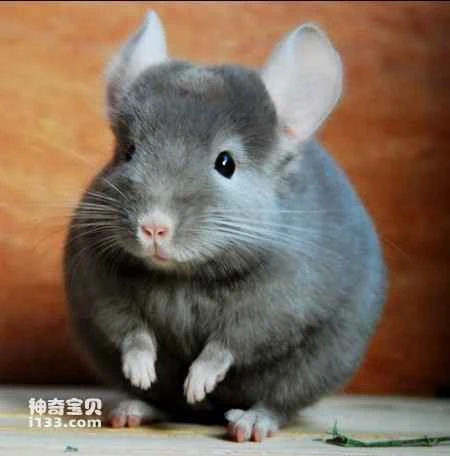
Chinchillas, also known as South American chinchillas, are a general term for small rodents belonging to the genus *Chinchilladale* (scientific name: *Chinchilladale* , foreign name: *chinchilla *). They belong to the subfamily Chinchillainae within the family Chinchillidae. Currently, there are two extant species: the short-tailed chinchilla and the long-tailed chinchilla. They are native to the Andes Mountains of Peru, Bolivia, Chile, and Argentina, but currently, only a native population is confirmed in Chile. The long-tailed chinchilla is widely kept as a pet and fur-bearing animal worldwide.
The South American chinchilla closely resembles a rabbit and a squirrel in appearance, being small and plump, with females slightly larger than males. Its head resembles a rabbit's, and its tail a squirrel's. It has large, thin, blunt, rounded ears; large, bright eyes; and numerous whiskers of varying lengths on the sides of its nose. Its limbs are short; its forelimbs are short with five toes, while its hind limbs are strong with four toes, making it adept at jumping, typically reaching a height of about one meter . It is not skilled at digging. The tail has a bushy tuft of fur; the fur on its back and sides is grayish-blue, fading to white on the belly. Short-tailed chinchillas are larger, measuring 30-38 cm in body length and about 10 cm in tail length; long - tailed chinchillas are smaller, measuring 24-28 cm in body length and 14-15 cm in tail length . Adult female chinchillas are larger, generally weighing over 700 grams , while males weigh over 600 grams. Newborn chinchillas typically weigh over 60 grams. Wild chinchillas are mostly blackish-gray with a white belly, while captive-bred long-tailed chinchillas come in all-white and other gradient colors, exhibiting a variety of hues after breeding. Each pore has up to 60-80 hairs (compared to only 1-3 hairs per pore for cats and dogs ) , providing protection against parasites. They have the densest fur among land animals (sea otters have the densest fur among aquatic animals), and are renowned for their soft and beautiful fur, which has led to their extensive hunting by humans. This very soft and dense fur has brought the chinchilla a near-extinction nightmare. Although the captive population of chinchillas is quite large, their wild populations were already endangered by the end of the 19th century, and both species are currently assessed as endangered by the International Union for Conservation of Nature ( IUCN ).
Because of their dense fur, fleas generally cannot infest South American chinchillas. They molt approximately every three months, but molt irregularly throughout the year. Their fur is about an inch long, giving them a plump appearance. Due to their thick fur, it is crucial to keep their environment cool in the summer, as South American chinchillas are highly susceptible to heatstroke and death.
When the former Ministry of Agriculture of the People's Republic of China introduced the South American chinchilla as a fur-bearing animal before 1983 , it named it the South American chinchilla because its fur was soft and dense like silk. After Hong Kong introduced the South American chinchilla as a pet, it was called "Totoro," referring to its resemblance to the cartoon character "Totoro" (Japanese: トトロ; Romanized: Totoro ) from the 1988 Japanese animated film *My Neighbor Totoro*. In addition, the South American chinchilla is also transliterated from its English name, *chinchilla*, as *jinjila* or *qingzilan*, which originates from the Chincha people , an indigenous group in southwestern Peru, who used chinchilla fur for clothing.
Comparison of short-tailed chinchilla (top) and long-tailed chinchilla (bottom)
There are two extant species of chinchillas: the short-tailed chinchilla ( C. lanigera ) and the long-tailed chinchilla ( C. lanigera ). Both have been heavily hunted by humans for their valuable fur, leading to their near extinction. The population of the short-tailed chinchilla is unknown, while there are approximately 5,350 wild individuals of the long-tailed chinchilla. It is generally believed that domesticated chinchillas originated from the long-tailed chinchilla.
Compared to the long-tailed chinchilla, the short-tailed chinchilla is larger, has smaller ears, thicker fur on its neck and shoulders, and a shorter tail.
Ecology
Originally, the native South American chinchilla inhabited coastal areas, mountainous regions, and the mountain ranges of Chile, Peru, Argentina, and Bolivia. However, overexploitation led to a decline in its population to near extinction. As early as 1914 , a scientist declared the species endangered. A five-year field survey in Jujuy Province, Argentina (results published in 2007 ) yielded no specimens. In 1953 , the native South American chinchilla population in Chile was declared extinct, but in the late 20th and early 21st centuries, it was found surviving in an area of the Antofagasta region. Despite the discovery of a specimen possibly from a local population (found in a restaurant in Cerro del Pasco), the native South American chinchilla may have become extinct in Bolivia and Peru.
Chipmunks are native to the Andes Mountains of South America, inhabiting caves and crevices at altitudes of 1,600 feet. The local climate is dry with extreme temperature differences between day and night. Chipmunks rely on tropical plants (such as bark, roots, and cacti) for sustenance, making them extremely resilient. Native chipmunks typically live in rock crevices, mountains, and caves. They are excellent jumpers, capable of leaping up to 1.8 meters high. Their natural predators include birds of prey, felines, canines, skunks, and snakes. Chipmunks employ defensive techniques such as spraying urine and shedding fur when bitten. Wild chipmunks have been found to feed on plants, fruits, timothy hay, seeds, and small insects. This diet is unsuitable for the digestive system of domesticated chipmunks, who primarily consume specialized pellet food and timothy hay. Ingesting seeds or nuts can cause illness or even death.
Chipmunks are social animals. They can reproduce at any time. They have a single oviduct and give birth only 1-2 times a year, with an 80% probability of producing 1-2 offspring per litter. The gestation period is about 111 days, longer than most rodents. Because of this long gestation period, newborn chipmunks are covered in fur and have their eyes open. Litters typically consist of only two offspring, but usually only one survives.
Personality traits
South American chinchillas are independent, lively, and very curious. They like to drag anything near their cage into the cage to chew and study it.
South American chinchillas are generally gentle and not aggressive. When encountering an enemy, they only have two options: flee or urinate at the enemy. They are one of the few animals that "express" emotions, showing feelings of joy, anger, sorrow, and happiness. Furthermore, as naturally herbivorous and relatively weak animals in the wild, they possess an almost supernatural ability to sense any hostility or ill intent. They will understand if you are kind to them, but will become very nervous if you intend to catch and play with them.
South American chinchillas have personalities very similar to children—playful and willful. Any form of physical punishment will trigger their rebellious behavior, causing them to distrust their owners and turn their backs on them (this is a form of negative attitude in animal psychology, pretending you don't exist and ignoring you). South American chinchillas have very strong self-esteem. If you deliberately try to tempt them with treats several times through their cage without letting them eat, they will sulk and hide to one side. Even if you bring the treats to their mouths again, they may deliberately refuse to eat or even look at them!
South American chinchillas are small animals that need a lot of attention from their owners. They will try to get your attention by making noise in their cages or by jumping around within your reach but running away when you try to touch them.
Sensory characteristics
Hearing: Their hearing is excellent; even the faintest sounds cannot escape their ears. Therefore, they are also very sensitive to noise. Sometimes you might wonder why my South American chinchilla seems to never sleep; its eyes are always open whenever I peek at it. Actually, it's just that its hearing is so sensitive that even the slightest sound can wake it up.
Vision: Their prominent, large eyes indicate they are nocturnal animals, allowing them to see their surroundings clearly in the dark. However, they may not be able to accurately judge height. Sometimes they may jump from heights that could cause injury, especially in emergencies or in sunlight. Therefore, they should be supervised more carefully when released. In bright light, their pupils will automatically close, and they will enter a sleep state.
Taste: They will eat whatever they deem edible, without necessarily being able to distinguish what is harmful.
Sense of smell: They use their sense of smell to distinguish their own kind and their owners.
Touch: Their long whiskers help them find their way in the dark; don't forcibly cut off their whiskers.
Variety
The South American chinchilla is a completely separate species. There are four species: Brevicoudata , King Chinchilla , Costina , and Lanigera (a hybrid of Brevicoudata and Costina ). The South American chinchillas we see are all hybrids of Brevicoudata , Costina , and Lanigera . It is very difficult to find a purebred Brevicoudata , Costina , or Lanigera . Therefore, in reality, there is no longer a distinction between purebred and hybrid South American chinchillas.
In biology, they are a distinct species of chinchilladale .
Chinchilladale is further divided into the following types:
Brevicoudata : Adults are about 32cm long with a tail about 10cm long. They are large in size with long and dense fur that is slightly yellow or brown and lacks luster. They have low fertility, a gestation period of 128 days, and are very stable in temperament. They are almost extinct in the wild.
King Chinchilla : A large chinchilla measuring 40cm in length, it went extinct hundreds of years ago. Only one specimen is currently preserved in the Senckenberg Museum in Germany.
Costina : Body length 24-28cm , tail length about 14cm . Small in size, with a pointed nose and relatively long ears. Fine fur with a bluish tinge. Highly prolific, with a gestation period of 111 days. It is prone to stress and is extinct in the wild.
Lanigera : A hybrid of Brevicoudata and Costina , with a medium build, round face, and short ears. Its fur is short, dense, and bluish. Gestation period is 111 days.
Human use
The name "chinchilla" comes from the local indigenous tribe, the Chinchas , who used chinchillas for food and clothing.
In the 15th century, a tribe of Native Americans called the Chinchas hunted these tiny animals for food and used their fur for bedding. They also wore robes woven from the fur of the South American chinchilla. (The Spanish named this small animal Chinchilla after the Chinchas tribe.)
Later, the Chinchas were conquered by the once-powerful Inca Empire. Under Inca law, the Chinchas were forbidden from wearing robes made of South American chinchilla fur. These furs immediately became the exclusive fur of the Inca royal family and were only permitted to be worn by Inca nobles.
South American chinchilla fur and accessories
fur industry
The international trade in chinchilla fur dates back to the 16th century. Because their fur is exceptionally soft, with an average of 60 hairs growing from a single follicle, it was highly sought after in the fur trade. Europeans, recognizing the softness of this small animal's fur, began to hunt chinchillas extensively; by the early 19th century, chinchillas were on the verge of extinction. Their uniform fur color made them ideal for lining small or large garments (some of which could be made entirely of fur). Due to their relatively small size, a full-body chinchilla coat could require 150 pelts. This demand for chinchilla fur put immense pressure on two other species, leading to the extinction of one. Although hunting wild chinchillas is illegal, poaching has kept them endangered. Farmed chinchillas remain primarily used for their fur.
Since the initial 11 chinchillas in 1923 , the chinchilla industry has slowly developed. By 1950 , captive-bred chinchillas were being sold for thousands of dollars per pair. During this market exploration, visionary individuals recognized the vast potential of the chinchilla industry. These individuals discovered the large potential market for chinchilla fur. They formed organizations to create a chinchilla fur market. It is estimated that there are approximately one million chinchillas in the world, with the largest population raised in the United States, followed by Canada, Argentina, Germany, the Netherlands, Denmark, Chile, and Uruguay.
pet industry
The South American chinchillas kept as pets are mainly the long-tailed South American chinchilla (also known as the velvet chinchilla), and the long-tailed chinchilla is more common in the wild than the short-tailed chinchilla (which was hunted to near extinction). They have a smaller body, a longer tail, and larger ears.
Chipmunks are beloved pets, but they also require meticulous care. Owners should purchase from experienced, qualified pet suppliers who understand the habits and needs of chipmunks. Chipmunks need ample exercise and careful dental care because their teeth continue to grow throughout their lives. Furthermore, chipmunks cannot regulate their body temperature through sweating, so their body temperature needs to be closely monitored and controlled. They should be kept in an environment between 16 and 12 ° C . The cage should be placed in a well-lit area, but not in direct sunlight or among clutter.
Chipmunks have an instinct to clean their fur through sand baths, which involve rolling around in high-quality pumice sand. This cleaning activity typically happens several times a week. Chipmunks do not bathe in water; if they get wet, they should be dried thoroughly immediately, otherwise bacteria can grow in their fur and even lead to skin infections. The chipmunk's thick fur helps protect against parasites such as fleas and also reduces loose dandruff.
Breeding South American chinchillas requires male and female chinchillas to live together for a period of time. The pregnancy rate is relatively low because male chinchillas are generally smaller. One baby per litter is most common. It is recommended to separate the female babies from the males after birth to prevent aggressive males from attacking the pups after being rejected by the mother.
Scientific research
Due to their unique characteristics in lipid metabolism and degenerative neurodegeneration, chinchillas are well-suited for studying atherosclerosis and Alzheimer's disease and have been developed as laboratory animals. Scientific research on chinchillas has been ongoing since the 1950s . From the 1970s onwards , research has primarily focused on the auditory system of chinchillas. Simultaneously, chinchillas are used as animal models in other research areas to study Chagas disease, and in the field of gastrointestinal diseases, they are used as animal models to study pneumonia, Listeria, and infections such as Yersinia pestis and Pseudomonas .
Pet medical care
fracture
Chipmunks are very active little animals, full of energy throughout their lives, and generally recover well from injuries. Treating fractures or wounds in chipmunks is no different from treating similar injuries in other animals. For simple wounds, clean the wound and apply ointment. If an Elizabethan collar is applied to the wound, the chipmunk should wear an Elizabethan collar to prevent it from licking the wound.
Fractures are troublesome to treat because chinchillas prefer to sit on their hind legs and eat with their front paws, so many injuries can disrupt their preferred way of eating. Small animals in casts can usually be hand-fed, which may comfort them.
If a fracture does not heal properly, amputation is usually recommended. Even with amputation (including forelimbs and hindlimbs), South American chinchillas can live happily in captivity.
infectious disease
Domestic South American chinchilla
The best approach to infectious diseases is prevention, not treatment after infection. Methods to prevent infectious diseases include: keeping chinchilla nests clean and tidy, providing them with a living environment similar to their natural habitat, offering optimal nutrition, and administering appropriate vaccinations.
Listeria infection is not a typical chinchilla disease, but it can spread as a digestive tract infection in group settings. If this disease is diagnosed, all chinchillas in the group should be treated. Higher hygiene standards should be maintained during and after treatment.
Diseases caused by Pasteurella bacteria can be transmitted through food and then spread among a group of South American chinchillas. Symptoms include apathy, digestive upset, and fever.
Pseudomonas aeruginosa infection is common in the wild, and its effects on chinchillas are no different from those on other animals. This disease can cause mass mortality in chinchillas, and in pregnant chinchillas, it can also cause spontaneous abortions.
Respiratory infections can be caused by many factors, but regardless of the cause, the end result is generally difficulty breathing and increased nasal discharge. Young chinchillas are more likely to contract the disease, but even if it is contagious, it generally does not escalate into an epidemic.
Commonly observed gastrointestinal disorders include constipation or diarrhea. These are usually the result of dietary problems. However, if these symptoms occur under reasonable dietary conditions, it may indicate an infection. Dietary factors should be considered before seeking further treatment; if food is spoiled, it should be discarded and replaced with fresh food. Constipation in chinchillas is difficult to observe because it's hard to see if the excrement of a group of chinchillas contains the feces of an individual. If this is observed, a gentle treatment can be used: feeding the chinchillas liquid paraffin to soften their excrement. Experienced owners can help their chinchillas defecate.
mental health
Chipmunks are easily startled, and they may exhibit physiological symptoms when unhappy. To protect their health, it's important not to disturb them (many things can cause chipmunk distress). Owners can visually observe their chipmunks' behavior in response to recent changes because they are so sensitive that even new and troubling things can trigger physiological reactions. Sudden changes to a chipmunk's diet are unreasonable, especially when they are sick; such behavior will only distress them. Sick chipmunks may refuse to eat when stressed, which will further weaken them.
Social chinchillas must be undisturbed during their breeding season ( February - March and August - September ), as they are very sensitive. Chinchillas are social animals and may be distressed if their mate changes during the breeding season. They are also susceptible to dietary changes during this time, so breeders must ensure an ample supply of food at the start of the rearing process and avoid altering the diet during the breeding season.
Drug treatment
Chloramphenicol, neomycin, and zizomycin can be used to treat digestive problems in South American chinchillas. Water-soluble sulfonamides may also be used. Colistin can be used as an effective antibiotic.
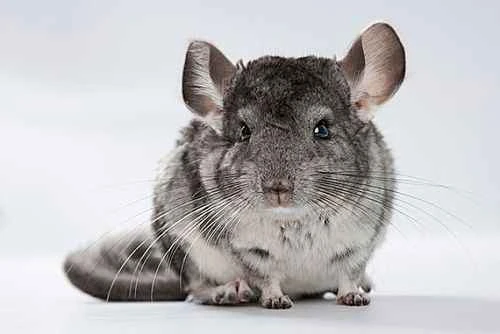
Feeding methods
Daily communication
Adaptation: When a South American chinchilla first arrives at its new home, the owner should not rush to release it from the cage. Let it stay in the cage for a while to get used to the new environment and the new owner before letting it out to play for at least half an hour. The play area must be free of electrical wires, plastic, and dangerous items.
Communication: When you have free time, you can gently call the South American chinchilla's name and talk to it near its cage. This will help the chinchilla remember its name and your voice. It is important to speak to it gently and not yell at it, otherwise the chinchilla will only be afraid of you and will not approach you.
Teeth grinding: Like all rodents, South American chinchillas' teeth grow rapidly, so it's essential to provide them with chew toys. Offer hanging chew toys and gnawing stones, and replace them promptly if they show signs of wear. Older South American chinchillas are more prone to dental problems.
Feeding method
Their main diet consists of chinchilla food and timothy hay. They have a well-developed cecum with beneficial bacteria in their gut that aid digestion. Because grass is difficult to fully digest and absorb, and there are many residual nutrients in their feces, chinchillas will eat their own feces to reabsorb and utilize the nutrients.
Chinchillas are rodents, and their teeth rely on grass-based foods for proper wear. Therefore, chinchillas need clean chinchilla food and timothy hay provided 24 hours a day. Each morning, the food bowl should be checked to determine if the chinchilla's appetite and digestion are normal. Generally, chinchillas consume 80% of their total food intake at night. If a chinchilla hasn't eaten overnight or has left a lot of food, carefully observe its feces. If the feces are small, hard, or loose, the chinchilla may be constipated or have diarrhea. If the chinchilla can flatten its own feces, it's soft stool; increase timothy hay and reduce the amount of food. If the feces are hard and the chinchilla is small, a very small amount of apple puree can be given.
Food: Since South American chinchillas have a rectal digestive system, they must be fed a mixture of food and hay, and the amount of food should be unlimited. Kittens have relatively fragile digestive systems when they are young, so it is best not to feed them treats at first. Wait until the kitten is 3 months old before starting to feed them small amounts. If you want to train them, you can use hay or kibble instead of treats, and the effect is the same.
Drinking water: The daily water intake varies for each chinchilla , so it's not necessary to be overly strict, but the hygiene of the drinking utensils must be ensured. Do not use tap water; purified water or cooled boiled water is acceptable. The drinking water must be kept fresh and changed once a day.
Treats: You can use small amounts of treats to please your chinchilla and get closer to it; however, do not overfeed, and the amount must be strictly controlled. For example, one to two rose petals per day is sufficient. Overfeeding can not only cause your chinchilla to become picky about food and refuse its main meals, leading to long-term malnutrition, but may also cause indigestion and diarrhea. Treats can be given occasionally as a reward to improve its palate.
Sanitary bath
Supplies: Clean the cage daily, empty any leftover food, wipe furniture platforms clean with a clean towel, clean feces from the cage floor and trays, and replace damp bedding to prevent bacterial growth . Regularly disinfect with alcohol spray. A dirty and messy environment can easily lead to poor mood and skin diseases in South American chinchillas.
Bathing: Bathing is extremely important for chinchillas. It is recommended to bathe them with bath powder about every two days. Use chinchilla-specific bath powder and change it daily. Chinchillas will roll around in the bath powder to bathe themselves.
Related tools
Cage: Use metal cages made of galvanized welded wire mesh with a mesh size of about 1.5 cm. The larger and more spacious the cage, the better.
Feeding box: Use a heavy, non-tipping ceramic bowl to hold pelleted feed.
Hay box: Used to hold hay. A special wooden hay rack or a heavy ceramic basin that is not easily tipped over can be used. It should be kept separate from pellet feed.
Water dispenser: Use a dedicated nipple-type water dispenser. Choose a high-quality water dispenser to avoid leaks that can cause dampness in the cage, leading to fungal infections in chinchillas.
Toys: Dried applewood branches and teething stones (without plaster) are best. Use one apple branch per day and hang many chew toys. Avoid paper and plastic products.
Toilet: Used to collect the urine of South American chinchillas. Ceramic is the best material; do not choose plastic to avoid the danger of them chewing on it.
Bedding: Special paper cotton can be used (only suitable for chinchillas that do not flip over the toilet). Alternatively, special wood shavings or wood pellets can be placed in the tray to absorb urine. If the bedding becomes wet, it should be replaced promptly.
Running wheel: The diameter of the running wheel should be greater than 38cm . If it is too small, it will cause spinal maldevelopment or deformity.
Special note: Do not put plastic or paper products in the cage, otherwise they will easily be bitten and eaten by the chinchillas, which can cause serious digestive system diseases.
Variety and color
Standard Gray: The whole body is gray, with a white belly and grayish-white black fur, giving it a gray body. It can be either dark gray or light gray.
Beige: White belly, beige body and face, pink ears, and grape purple or red eyes.
Silky Black: Black face and body, white belly, exceptionally black and shiny fur, distinct hand and foot lines, and a different appearance from ordinary chinchillas. It also has longer ear hair at the base of its ears.
Silky Black: Similar to velvet black, but with coffee color replacing black, coffee-colored face and body, white belly, pink ears, red or grape-purple eyes.
Silver spots: White base with obvious gray spots forming beautiful patterns on the face and body.
Light Black: Easily confused with Standard Gray. The difference is that the belly is light gray, and the claws are light black, not white.
Black Bear: All black with gray streaks.
Dark black: entirely black, with a color between bear black and pure black.
Pure black: The entire body is black, without any stray hairs, and the fur is particularly black, shiny, and glossy.
Pinkish-white: Entire body is off-white, with red eyes, black eyes, grape-purple eyes, and pink ears.
Pure brown: The entire body is brown, with black or reddish-brown eyes, pink ears, and pink paws. The color is divided into light brown, medium brown, dark brown, and chocolate brown, and the depth of color depends on the amount of black genes carried.
Purple-gray: The whole body is gray with purple tinges, and the belly is white.
Growth environment
1. They can live in groups, but are territorial:
Chipmunks can be kept in groups, but they are territorial. If you plan to keep multiple chipmunks, make sure they have enough space to roam. They need time to adjust to each other, so don't expect them to be successfully integrated into each other's enclosures, as it depends on the individual chipmunks' personalities. The success rate is higher if they are integrated into each other's enclosures outside their respective territories. It is recommended to keep same-sex chipmunks together to avoid injury due to inadequate care during the breeding season.
2. Avoid noise and strangers:
Compared to other animals, chinchillas are very nervous. They are sensitive to noise, unfamiliar places, and strangers. When they are frightened, they will make noises. Prolonged nervous stress and cramped, dirty living conditions can cause chinchillas to bite their fur. Chinchilla cages should be placed in quiet locations; if the surrounding environment is noisy, the chinchillas will not be able to rest well due to stress.
3. Cool and well-ventilated:
Chipmunk cages should be placed in cool, well-ventilated areas, but not in drafty spots, as they can easily catch a cold if exposed to direct drafts. Summer is a difficult season for chipmunks because of their thick fur, so it's essential to use air conditioning to lower the indoor temperature during hot and humid weather.
4. Nocturnal:
South American chinchillas are active only at dusk or twilight. During the day, they hide and rest, eating only small amounts of food, and only become active again at dusk. They have a unique physical structure that allows them to move freely and easily in dark environments.
5. They should be kept in a relatively tall cage:
Many people believe that rabbits love to jump, but actually, chinchillas jump even more than rabbits. They can leap up to a meter high at any time. A tall, spacious cage with plenty of jumping platforms can satisfy their jumping instincts. It is not recommended to use cabinet cages or small cages , as this may cause chinchillas to inhale their own fur or develop hair-eating disorder.
Pregnancy and childbirth
cage
1. Before putting the male and female mice together in the same cage, place their cages side by side so that they can get to know each other.
2. The owner must be present during the first time the hamsters are put together in the same cage. If you see the hamsters fighting, you must separate them immediately and let them continue to get to know each other through the cage. Otherwise, the hamsters may get injured from biting each other.
3. After putting the rats in the same cage, the owner must observe the situation inside. If the mating plug is eaten by the rats, it is impossible to calculate the gestation period of the female rat.
Copulation plug: A white, semi-transparent, waxy cylinder, about 1 cm long and about 2 to 3 mm in diameter.
4. If blood is found in the female mouse's urine, or even blood clots around her genitals, it indicates that the male mouse overdid it during mating.
Excessive excitement can cause injury to the mother mouse, and she should be taken to a veterinary hospital immediately.
5. Finding the mating plug basically confirms that the female mouse is pregnant. The female mouse should be placed alone in the birthing cage, separated from the male cat, to prevent the male mouse from forcibly mating again.
6. Recommendations for setting up breeding cages:
Standard cage + food bowl + water dispenser + hay rack (external hay rack recommended) + chew stone (volcanic ash stone recommended) + birthing bed + 1 jumping board (optional if space is limited)
7. Place the birthing cage in a quiet place away from direct sunlight, allowing the mother mouse to become familiar with the environment and prepare for childbirth.
delivery period
1. When the female mouse is about 100 days pregnant, remove the bottom mesh of the birthing cage and let the mother mouse stay directly on the wood shavings. After this, the owner should minimize disturbing the mother mouse. Keep the indoor temperature around 23 degrees Celsius.
2. If you sense that the mother mouse is about to give birth, it is best to cover the birthing box with a windproof cover to reduce the mother mouse's anxiety.
3. Mice must be born on sawdust to prevent the bottom mesh from getting too cold, which could cause the mice to freeze to death or the bottom mesh to break the limbs of kittens.
4. When the mother mouse is giving birth, the owner should not rush to check on the pups. Keep the environment quiet to prevent the mother mouse from being startled and abandoning her pups. Wait until the pups' fur is completely dry before weighing them, and then weigh them once a day thereafter.
5. Mating a female mouse immediately after giving birth with a male mouse is called blood mating. Blood mating may not affect the mother mouse's health, but the offspring produced through blood mating are of lower quality. The mother mouse may also experience a decline in physical condition due to frequent conception, and may even be unable to nurse her young, leading to abandonment. Therefore, female mice should never be kept with male cats during their birthing and lactation periods.
Breastfeeding
1. During the lactation period, vitamin C effervescent tablets can be replaced with calcium gluconate. Two weeks after giving birth, the mother mouse's diet will gradually return to normal. In addition, give glucose once every other day.
2. If the offspring's weight continues to decrease 1 to 2 days after the mother mouse gives birth, it indicates that artificial feeding is required.
Equipment: Use a disposable syringe, remove the needle and attach a valve core about 1 cm thick; mix milk powder with water at a ratio of 2:13 ; towel .
Method: Gently hold the mouse with your hand, and place its head between your thumb and forefinger. Drip the milk onto the mouse's lips, being careful not to drip it into its nose. The mouse will gradually learn to hold the syringe and feed. After feeding, wipe the mouse's mouth clean.
Feeding amount: once every 2 hours during the day and once every 4 hours at night. The actual number of feedings and the amount of milk can be adjusted according to the specific situation. Do not force-feed if the mice do not eat.
3. Mice start eating nursery food a dozen days after birth, can be weaned after 2 months, and should not be separated from their mothers until 4 months later, just to be on the safe side.
Common diseases
fungi
Clean cages, good ventilation, and appropriate temperature and humidity are the best preventative measures. Regular bathing can play a role in prevention, and changing the bath powder afterward is also very important.
Prevention and treatment: Keep the cage clean, free of standing water and stubborn dirt, and clean it daily. No medication is needed; simply spray or wipe the affected area with alcohol.
It is important to note that the statement "fungal infections always present with dandruff, and the absence of dandruff means it is not a fungal infection" is incorrect. Dandruff is just one of the possible manifestations that may appear in the later stages of a fungal infection, so it cannot be used to determine whether or not there is dandruff.
Fungal infections are transmitted through contact. Young chinchillas have weaker immune systems, so before they are cured, prevent infected chinchillas from coming into contact with healthy chinchillas. Thoroughly disinfect the chinchillas' cages and food bowls daily by spraying them with alcohol.
After recovery, it is essential to keep the cage clean to prevent recurrence.
diarrhea
Causes: Primarily related to food. Spoiled pelleted feed, ingestion of poor-quality hay, snacks, or accidental consumption of fresh fruit can all cause diarrhea. Additionally, hot and humid summer weather can easily lead to diarrhea; it is recommended to run the air conditioner for dehumidification 24 hours a day, and avoid using the cooling setting.
Symptoms: The stool is soft and sticky, coated with a layer of mucus, and sticks to the cage or the ground. In severe cases of diarrhea, the stool is loose or pasty and sticky, soiling the fur around the anus. Diarrhea, especially severe diarrhea, can easily develop into enteritis if not treated promptly.
防治:轻度腹泻可以通过调整饲料治疗,即加大提摩西草量。腹泻严重时,必须在调整饲料的同时采用药物治疗。为防止继发肠炎,应用妈咪爱止泻(偶见使用妈咪爱之后加重腹泻),份量据个体体重不同按说明书调整,每日一次,加少许矿泉水冲调,用去针头的针管喂食,病愈后巩固一天即可。
constipate
病因:主要原因是饲料给予方式不当和误食难以消化的异物。
症状:排粪明显减少或停止排粪,粪粒很小,干而黑硬。南美栗鼠停食停水,蹲卧在一处懒得动弹,有拱背现象和疼痛状,精神不振,眼闭合。
防治:以调理为主。增加提摩西草量,提摩西草里含有大量的膳食纤维,可促进肠胃蠕动,调理肠胃,帮助消化排泄。增加运动时间,可适当给予新鲜苹果(去皮),并在南美栗鼠不挣扎的情况下轻轻按摩腹部。 [2]
cold
偶发性的喷嚏可能是由于鼻子进了异物(灰尘,毛发),或者过敏导致,不必过于担心。
病因:主人携带感冒病毒传染,凉风直吹。
症状:经常性流涕,频繁喷嚏,厌食,无力,喉咙肿痛。
防治:主人如果感冒或者感到头痛,就不要接触南美栗鼠,如果一定要接触也必须戴好口罩,洗过手。不可过于亲近,比如搂抱等。一旦南美栗鼠患上感冒应立即上医院检查治疗。家庭治疗方法也有几种(用酒精擦鼻子,氯霉素眼药水滴鼻子,服用小儿感冒药)都不太有效,容易导致延误治疗而死亡。开药后要服用两周以上,否则一旦复发立即死亡。此病死亡率极高,以预防为主。
heatstroke
病因:主要发生在夏季炎热天气,当室内温度超过28 ℃、湿度超过40%时(千万不可靠自身感知去猜测温度,一定要用温湿度计衡量) ,南美栗鼠因毛发非常厚实,很容易发生中暑。因此,平常要加强通风,采取各种措施控制室内温湿度,夏季必须每天开空调除湿。
症状:轻者四肢无力,没有平衡感,耳部通红,眼神涣散。重者呼吸加快,进而减弱,不能站立,头向后仰,抽搐。
防治:一旦发现中暑不要慌张送往医院,一路颠簸反而加重病情。应立刻打开空调,保持所在环境温度为22 ℃、湿度40%以下,但不要直吹。冰袋覆盖干毛巾做成简易冰床用以降温。鼻端摸少许清凉油。碾碎仁丹半粒调和为液体,用去掉针头的针管喂服,如若拒绝针管则用可葡萄干包裹住仁丹碎末诱食。病情控制住后务必在凉爽的环境下休养,主人随时观察南美栗鼠的表现,保证水分摄取。重者由于很快死亡,治疗多不奏效,但也一定要及时抢救。此病死亡率极高,以预防为主。
牙齿错合
病因:由于长期缺乏供南美栗鼠啃咬的磨牙物品,致牙齿生长过长,妨碍咀嚼而不能进食。
症状:过长的门齿明显露在唇外,由正常的橘红色变成黄色或更严重的白色,唇部红肿,口流唾液。
防治:经常保持笼中磨牙物品的供给,长期使用提摩西可以防止后牙过长。前牙长了可以去医院剪短,后牙长了是无法治疗的,因为龙猫要靠后牙来咀嚼食物,所以不能拔牙也不能磨牙。一旦后牙过长医生都是建议安乐死。因此,此病以预防为主。慎重慎重
trauma
病因:被咬伤或夹伤等。
症状:出血。
防治:云南白药粉剂外敷,治疗期间禁止沐浴。
fracture
病因:因意外造成骨骼折断。
症状:触摸可发现骨骼断裂。
治疗:立刻带往医院拍片治疗。
食毛症
俗称“咬毛”。
病因:这是一种可怕的疾病,有两种类型,一是后天外界刺激造成,如饲养环境不佳,主人关怀不足心情焦虑所致,或为饲料营养不够全面;二是遗传性,食毛症可以遗传给南美栗鼠的后代,因此有此病的南美栗鼠都是不允许参加繁殖和出售的,但也有商人不遵循此原则。
症状:神经质,胆小,咬食自己的毛,轻者局部毛发参差不齐,重者大片毛发缺失。
防治:不要突然冷落南美栗鼠,注意它的心理变化,尽量防止刺激性嗓音。对于遗传性的食毛症一般是无法治愈的。对于后天引起的须改进饲养环境,如更换大笼具,选用营养全面的主粮以及新鲜适口提摩西草,多给予玩具(如咬串、磨牙石、丝瓜络、苹果枝、仙人掌干等)分散注意力,不必额外给药。主人晚上要尽量多陪南美栗鼠玩,以调整其心情。白天注意让它休息。此方法对遗传性食毛症亦有改善效果。此病需长时间调理。
enteritis
病因:肠炎具有传染性,发现此病应立即隔离治疗,同时全群进行消毒,防止病情扩散.多由严重腹泻继发而成,也可能由于其它南美栗鼠传染而引发.
症状:粪便呈粘糊状或稀水状,并伴有黄绿色粘液,或稀粪中带有血丝.患病南美栗鼠体温升高,食欲下降或绝食,体毛蓬乱,萎缩在笼角懒的动弹.
防治:对患病南美栗鼠笼用浓度1% ~ 2%高锰酸钾溶液浸泡消毒.治疗采用氯霉素口服或注射,口服剂量为0.3-0.5克,注射剂量为0.35毫升,每天1次,连续3 ~ 4天.也可采用口服磺胺0.5克和注射氯霉素0.35毫升结合使用.对绝食的南美栗鼠,还要每日补充注射葡萄糖液2毫升.
mites
病因:接触过传染源(患病的南美栗鼠)或因环境过于潮湿引起
症状:毛自根部脱落,成片状分部于皮肤上,吹开毛发,能发现有头屑状的碎片.
防治:用1%敌百虫溶液涂抹患处,每日一次,连续使用3 ~ 5日,此外应将南美栗鼠置于干燥的环境中.
眼炎病因:多由感冒或沙浴时尘土进入眼中引起.另外,饲养卫生条件差,也会引起.
症状:眼部红肿,眼泪或分泌物增多.
治疗:采用青霉素滴眼液,每次1滴,每天1 ~ 2次.
饲养最佳时间
⒈商品南美栗鼠: 2 ~ 3个月。猫场条件成熟,猫猫早熟。这个年龄的猫最容易与主人建立感情。
⒉家养南美栗鼠: 4 ~ 5个月。家庭条件不如鼠场,过早让小老鼠离开妈妈,小鼠容易出现各种健康问题。太大的鼠不容易与主人建立感情(不过,家养的鼠也未必就需要4 ~ 5月龄才适合去新家~随着饲养知识的普及,家长们照顾产妇和新生儿的经验也越来越充足了,新的家庭也做好了认真科学照顾小家伙的准备,只要婴儿鼠年满2月龄、体重满220克,没有先天疾病和缺陷,就完全可以在原家庭单独居住一周左右适应独立生活之后,动身到新家去啦)。
携带注意事项
⒈事先准备好笼具,家具,食物,用品以及途中使用的外带包/箱。切不可先行购买南美栗鼠,用不合适的用具(如狭小的笼具,纸箱,塑料笼具用品等)凑合使用,或带着南美栗鼠购买用品。必须保证室内温度在15 ~ 23之间,不可低于0下5度,绝对不能高于28度。
⒉南美栗鼠生性胆小,可先隔着笼子让猫猫闻闻手指,用零食讨好,然后让原主抱出笼子,慢慢交到自己手里。轻咬手指是试探行为,主人千万不可慌张尖叫惊吓到它。
⒊带回家时,须用宽敞的宠物外带包/箱,切不可让它在未固定的圆形容器随之乱滚。外带包/箱内必须放垫料和提摩西草,可酌情放些磨牙物品。
⒋呆在外带包/箱内的时间最好不要超过2小时。