Basic Information
Scientific classification
- Chinese name: Drop Bear
- Scientific name: Fictional: Thylarctos plummetus (a colloquial name; not the scientific name of the actual species)
- Order: Carnivora
- Family and genus: Koala family, genus *Berberis*
Vital signs data
- Body length: Legend has it that it is larger and stronger than a koala; however, there is no scientifically accurate measurement data (it is fictional).
- Weight: Often exaggerated in stories as "heavier and stronger"; no real weight data (fictional).
- Lifespan: As a mythical creature, there is no verifiable data on its lifespan (it is fictional).
Significant features
A famous Australian "travel joke" and folk animal: supposedly capable of suddenly falling from trees and attacking pedestrians; actually a humorous reference that can be used to introduce real-world wilderness safety tips.
Distribution and Habitat
Legends often place the animal in eucalyptus forests and scrublands in Australia, near tourist trails; however, the animal does not exist in reality.
Appearance
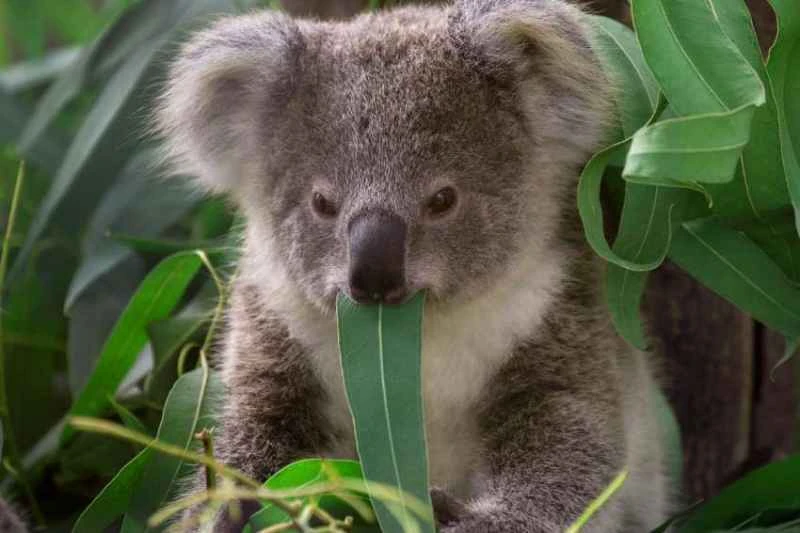
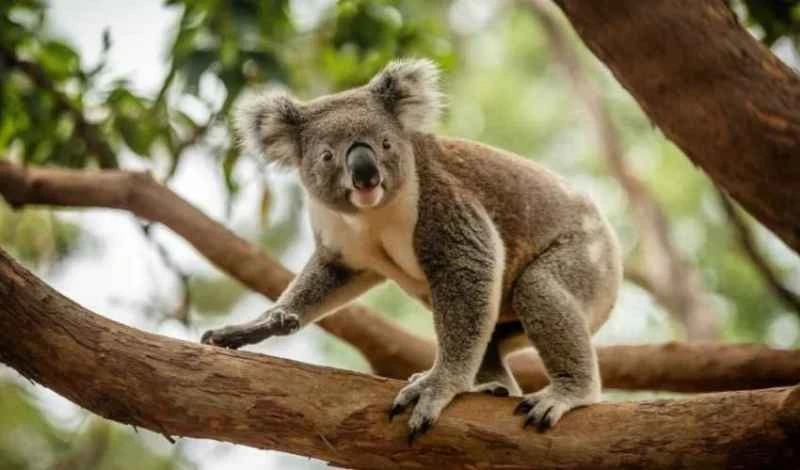
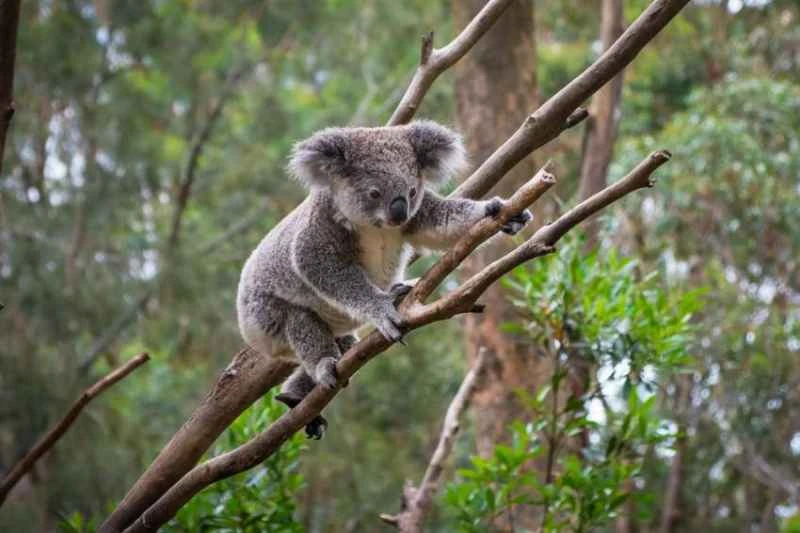
Legend has it that it resembles a larger koala, with thicker forearms, longer and sharper claws, and a fiercer face; it is often described as having a grayish-brown or dark brown color that can camouflage itself in the shade of tree bark.
Detailed introduction
The Drop Bear is a well-known fictional animal in Australian folklore and travel jokes. In these tales, it's described as a koala-like but stronger and fiercer arboreal predator that lies in wait high in the tree, "falling" down to attack passersby. This legend is often used as a joke with tourists and is a humorous aspect of Australian welcome culture—testing your understanding of local jokes with exaggerated wildlife stories.
In a scientific sense, the tree bear is not a formally recorded real species; it's more like a combination of Australian wilderness culture, tourism narratives, and internet memes. Although it's not real, this legend can lead to some very practical wilderness safety tips: watch out for dead branches overhead when walking in woodlands, avoid standing under old trees in windy weather, and respect wildlife and keep your distance—these are more important than "preventing tree bear falls."
Classification and nomenclature
The tree bear is a "folkloric animal" without a formal taxonomic status. In some humorous settings, people give it a fabricated scientific name (such as * Thylarctos plummetus *) and depict it as a "hidden large group" closely related to koalas. These names and classifications are fictional and are more for adding a "pseudo-scientific realism" to the story.
Appearance features
Legend has it that the tree bear resembles a larger koala: a more robust body, thicker forearms, longer and sharper claws, a fiercer face, and more prominent teeth. Its fur is said to range from grayish-brown to dark brown, often blending into tree bark and shadows for ambush. Stories often include descriptions of it with a "thick skull" and "strong neck" to explain its ability to remain combat-ready after falls from great heights—these are also exaggerated narrative techniques.
Distribution range and habitat
Legends typically place the grove bear's habitat in the eucalyptus forests and scrublands of eastern or southern Australia, especially near national park trails frequented by tourists—because that's where "stories" are most likely to "take place." In the real world, these areas do indeed harbor a wealth of wildlife, including koalas, marsupials, opossums, and snakes, but the "grove bear" remains merely a myth.
Lifestyle Habits and Behaviors
Legend has it that it is nocturnal or active at dawn and dusk, adept at lying in wait at high places for extended periods, and then catching its prey off guard by suddenly plummeting. Some versions also describe its sensitivity to certain scents (such as certain sprays, fragrances, or alcohol), leading to various "trickster tips for preventing koala falls." What these details have in common is that they become increasingly outlandish and resemble a "wilderness survival guide," but are essentially still humorous stories.
feeding habits
In stories, it's often portrayed as an opportunistic carnivore, potentially "preying on small mammals, birds, or even backpackers' sandwiches." This kind of portrayal is usually used for comedic effect. In reality, native Australian arboreal marsupials primarily feed on plants or insects; the real concern is how to avoid disturbing their natural behavior.
Reproduction and life cycle
Descriptions of its reproduction vary across versions: some say it raises its young like a koala, while others say it gives birth once a year, with the cubs growing up in a "secret nest." Since it is a fictional animal, these are merely extensions of the story, intended to make the legend more complete and resemble a "real species introduction."
Relationship with humans
The most important significance of the tree fall story lies on a cultural level: it's part of Australia's tradition of "good-natured pranks," often used to amuse newcomers or tourists and create a lighthearted atmosphere. For content creators, it's also a great entry point for popular science education: using an interesting legend to explain real-world risks in the wild (falling branches, slippery surfaces, snakes hiding, keeping your distance from wild animals, etc.) and how to travel responsibly in nature.
Protecting the status quo and threats
The tree bear is not a scientifically confirmed real species, therefore there is no official conservation status or population assessment. If it is treated as a "cultural symbol," its perceived "threat" is actually a misunderstanding: some people take the joke seriously, or use it to spread misconceptions about real wild animals. A better approach is to treat it as a humorous story while simultaneously learning and disseminating real-world safety and animal conservation knowledge.
Frequently Asked Questions
Q1: Are tree bears real animals?
No. The tree bear is a famous Australian folktale and travel joke used to amuse tourists or newlyweds; it's a cultural reference, not a real species.
Q2: Why do so many people take the "falling tree bear" story seriously?
This is part of Australian humor: telling absurd stories in a serious tone to make them seem like "real-life science." It's also often used as an icebreaker and social joke.
Q3: What should you really pay attention to when hiking in Australia?
More practical risks include: falling branches in strong winds, slipping on wet surfaces, dehydration from high summer temperatures, snakes and thorny plants, and avoiding approaching or feeding wild animals. It's even more important to plan your route, carry enough water, and remain vigilant.
Q4: Where can I "see" a bear that has fallen from a tree?
You're more likely to encounter it in souvenirs, tourism brochures, online jokes, humorous "introduction signs," or stories from friends. For real animal viewing, it's recommended to choose a reputable whale/bird watching or wildlife sanctuary and adhere to viewing guidelines.


